
As global offshore oil and gas development pushes into deeper and more distant waters, the FPSO (floating production storage and offloading unit) as core equipment places extreme demands on corrosion resistance, space adaptation and operating stability of its supporting equipment. Nexson Group has secured another important breakthrough, successfully delivering a batch of customised heat exchanger products for a large FPSO project. With full in-house design and manufacturing capability, it has brought core momentum to the upgrading of offshore engineering equipment.
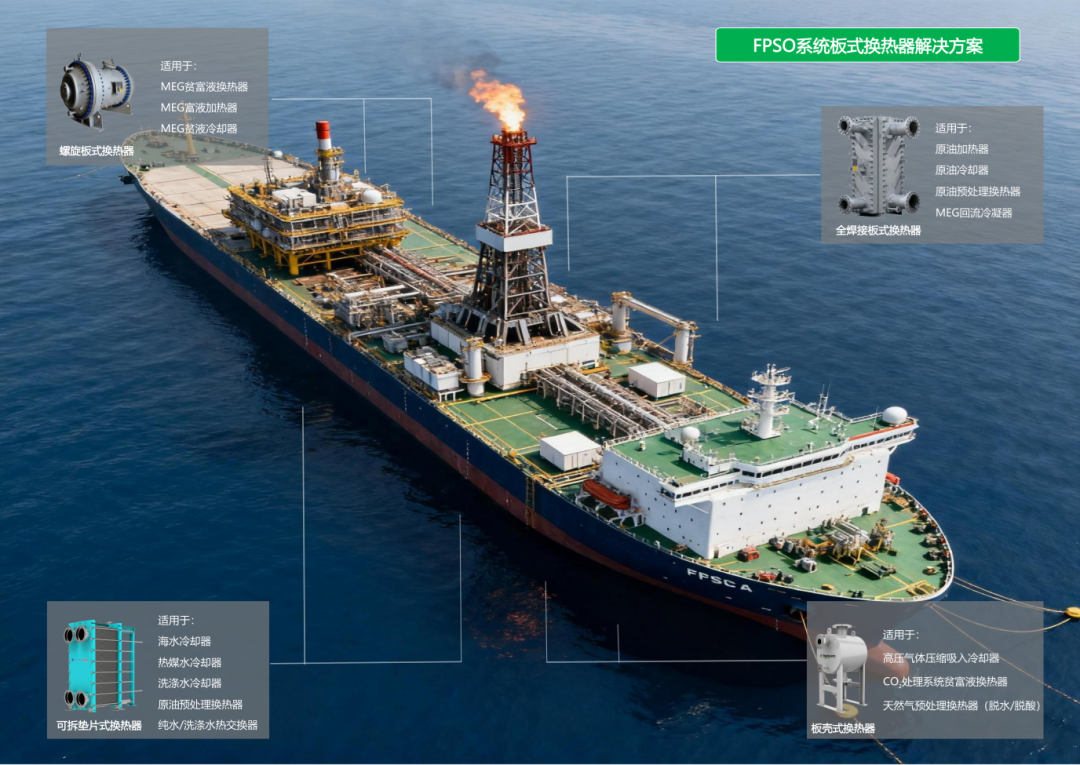
A one-stop heat exchanger solution for the FPSO
The products are used in the MEG (monoethylene glycol) regeneration unit, with Nexson Group involved in design and manufacturing throughout, precisely solving the complex duty problems of offshore FPSO operation — high temperature and pressure, strong seawater corrosion and compact space layout. This demonstrates the group’s design and R&D capability and precision manufacturing level in high-end heat exchangers, further consolidates its leading position in the process industries, and establishes it as a trusted partner in offshore engineering equipment.
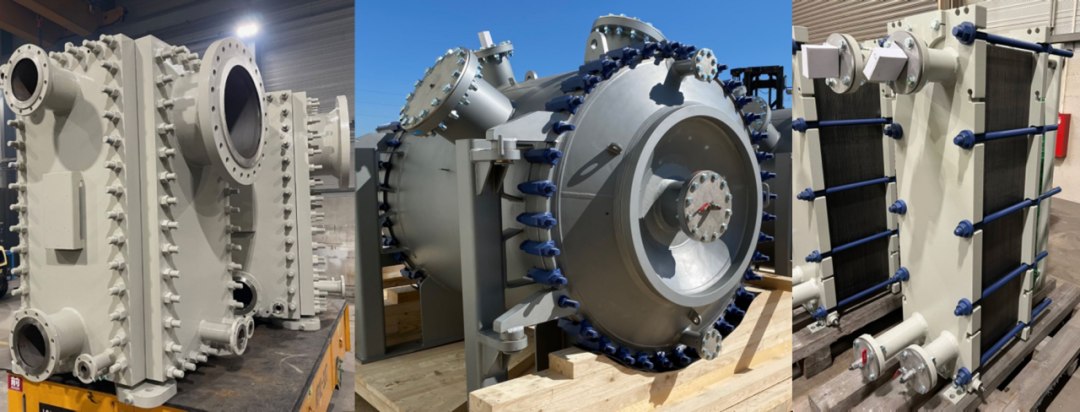
To match the specific operating requirements of this FPSO project, Nexson built a multi-type, highly adaptable heat exchanger solution covering three core product families, using technical synergy to maximise effectiveness:
Eight spiral plate heat exchangers (API 664): manufactured to the strict API 664 standard with a high-efficiency heat transfer structure, achieving a high heat transfer coefficient within limited space and strong resistance to fouling and blockage. They adapt well to the media characteristics of each MEG stage, reducing maintenance frequency.
Four fully welded plate heat exchangers (API 810): built to API 810 with a gasket-free sealed structure, completely removing the leakage risk that conventional gasketed units carry under strong offshore vibration and high pressure. Compact and high-strength, they suit duties such as the MEG reflux condenser.
Four gasketed plate heat exchangers (API 667): designed to API 667, combining efficient heat transfer with easy maintenance. They can be flexibly adjusted for FPSO seawater cooling and media pre-treatment, meeting the practical constraint of limited maintenance space on offshore equipment.
Professional leadership, repeated good news
As key equipment in offshore engineering, heat exchanger performance directly affects the overall operating efficiency and safety of an FPSO. The customised solution Nexson supplied for this project meets the multiple requirements of heat transfer efficiency, corrosion resistance and structural strength through the coordinated combination of several product types, while also fitting the FPSO’s core demands for lightweight, compact equipment — expressing a technology development orientation centred on customer needs.
Good news has kept coming since the start of the year. Beyond this FPSO cooperation, Nexson Group has successively won several major orders in offshore and petrochemical fields, opening 2026 strongly. Behind this performance lies customers’ high recognition of Nexson’s technical strength, product quality and service capability, and confirmation of the group’s core competitiveness in high-end process industry equipment. Looking ahead, as global offshore equipment moves towards green transformation and intelligent upgrading, Nexson Group will continue to deepen core technology R&D, focus on customised customer needs, and keep optimising products and solutions — supporting high-quality development in offshore and petrochemical industries with more efficient, reliable and environmentally sound high-end equipment, and writing a new chapter for “Nexson manufacturing” in global high-end equipment.
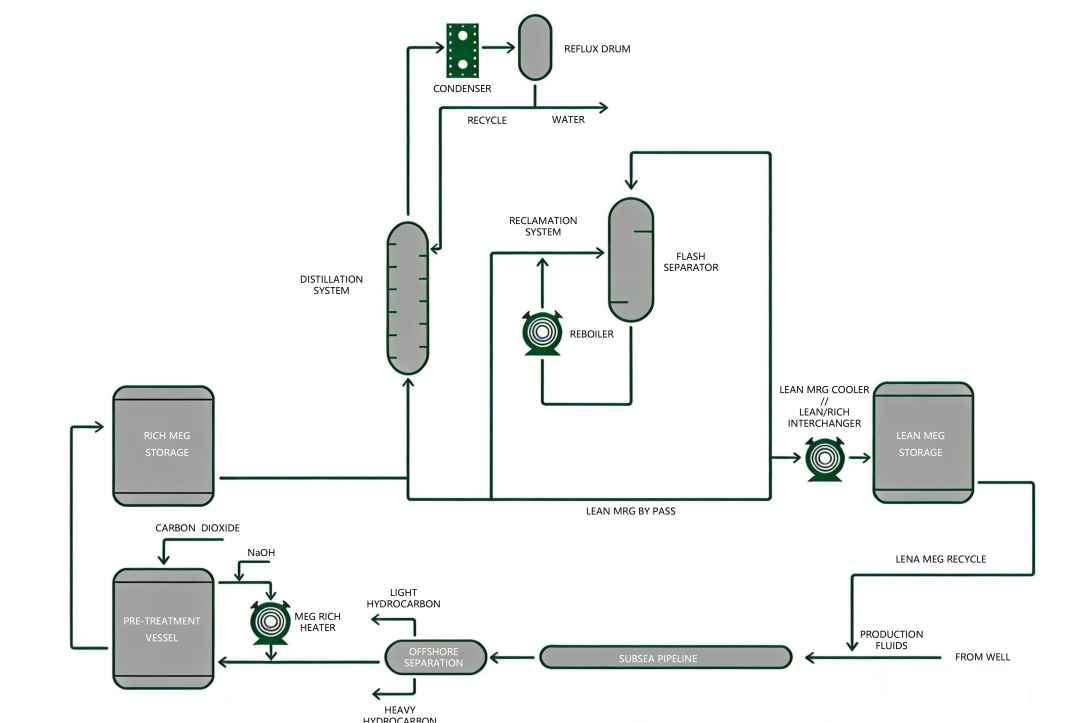
About the MEG regeneration unit
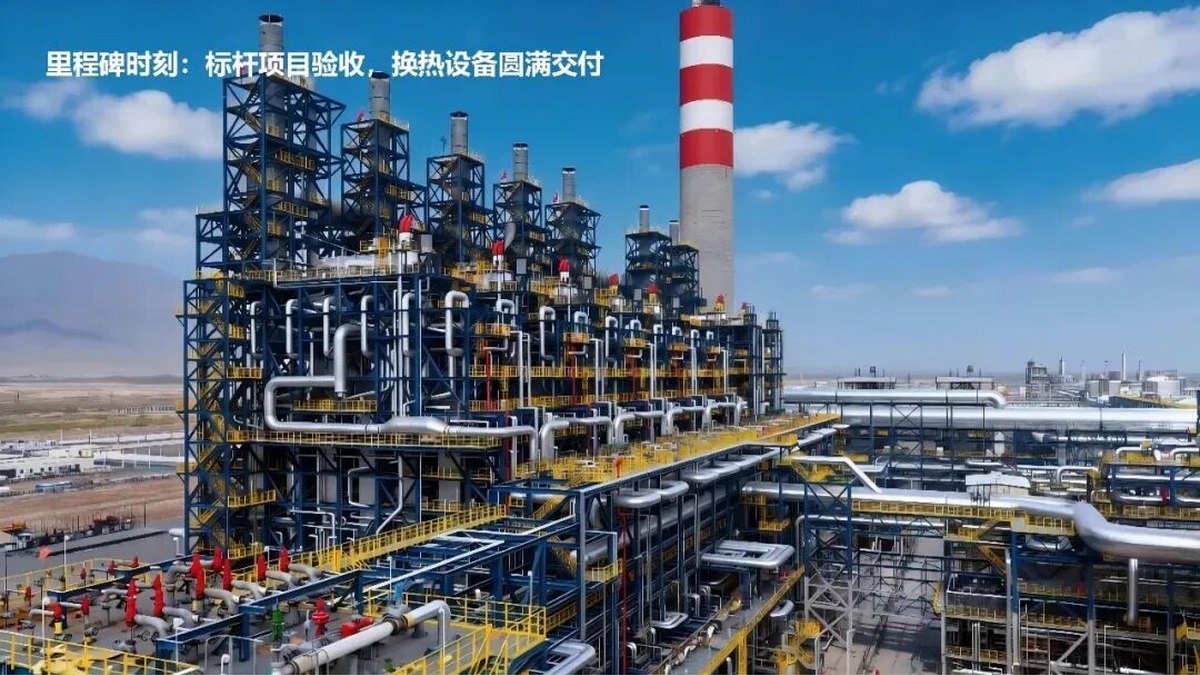
The MEG regeneration unit is key equipment in natural gas production for recovering and regenerating monoethylene glycol. MEG is used mainly as a hydrate inhibitor, preventing natural gas from forming hydrates that block pipes and equipment under low temperature and high pressure. Through separation, distillation and purification, the unit converts “rich MEG” that has absorbed water and impurities into reusable “lean MEG”, significantly reducing operating cost and environmental impact.
The MEG regeneration unit is the core of the natural gas hydrate inhibition system, and its performance directly affects the safety, economy and environmental performance of the entire gas production system. Choosing the right process and heat exchange equipment can markedly improve MEG utilisation and lower operating cost — an important element of sustainable development in the modern oil and gas industry.