
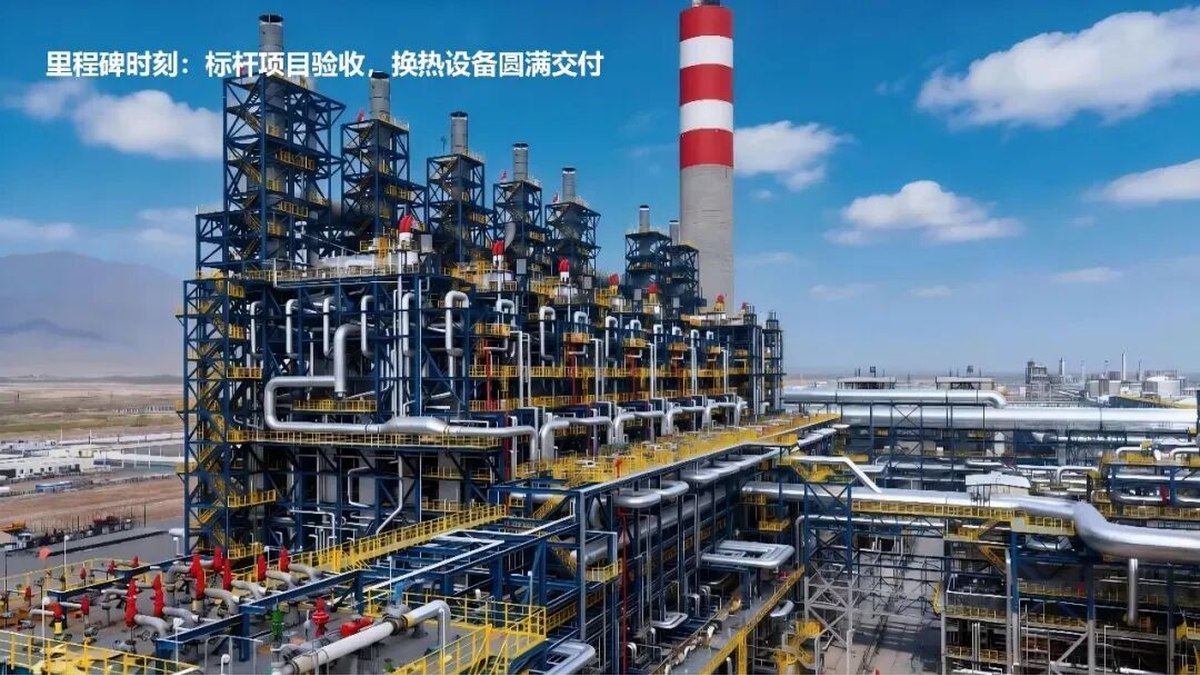
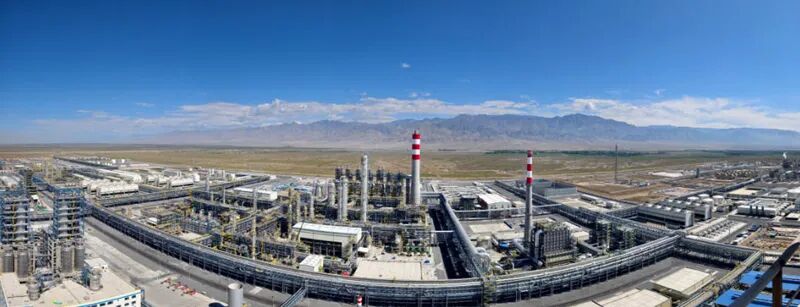
The plate-and-shell heat exchangers custom designed and built by Nexson Group for the CCUS project attached to PetroChina Dushanzi Petrochemical’s Tarim 1.2 Mt/a Phase II ethylene plant have passed the owner’s stringent acceptance tests, with all batches delivered — a landmark CCUS reference now in place for Nexson Group.
A low-carbon showcase for PetroChina’s dual-carbon strategy
A core project in PetroChina’s pursuit of its dual-carbon goals, the project represents total investment of around RMB 25.6 billion. It is China’s first million-tonne project to integrate refining with a full CCUS chain, with over 98% of equipment sourced domestically and the cracking “three machines” fully electric-driven on green power. Several of its indicators are milestones for the industry.
Once in operation, the project captures 800,000 tonnes of CO₂ a year — the equivalent of planting 40 million trees — offsetting 42% of the carbon emissions of the Phase II ethylene unit. Of the captured carbon, 75% goes to urea production and 25% to oilfield enhanced recovery, closing a loop of “carbon reduction plus resource value creation”.
Technical core: three breakthroughs in Nexson plate heat exchangers
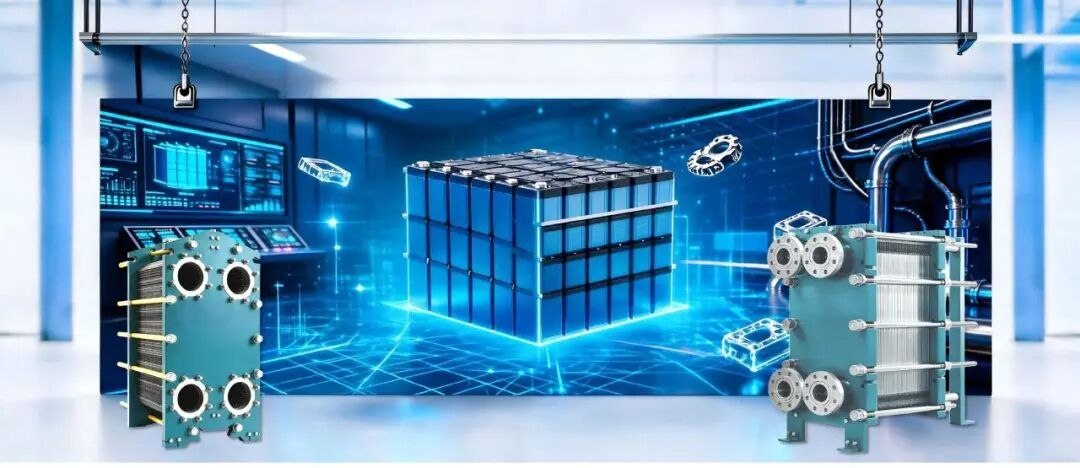
The plate-and-shell heat exchangers Nexson built for this project are matched precisely to the energy control requirements of the whole carbon capture chain:
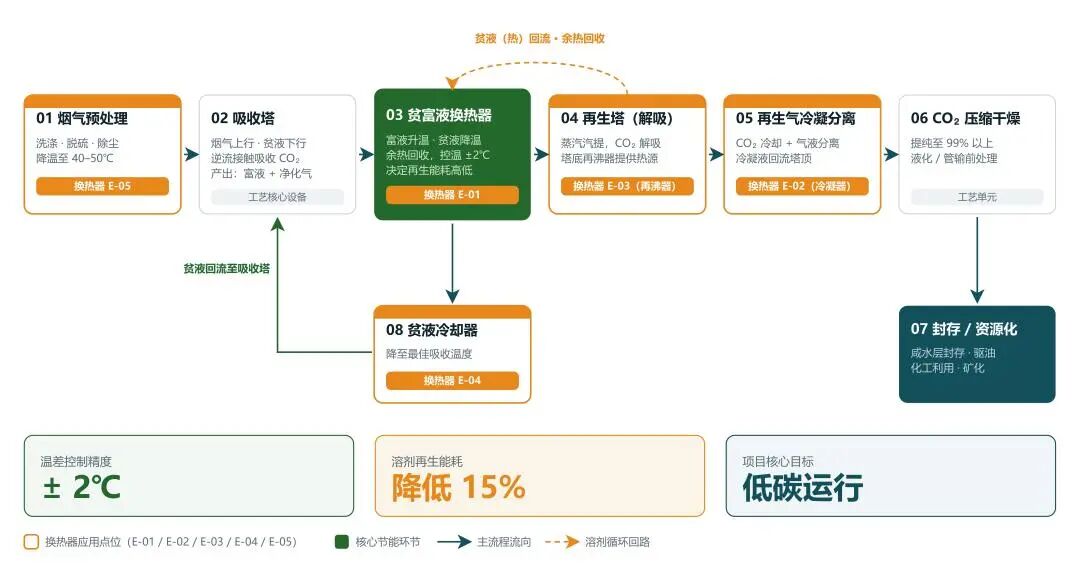
Lean/rich amine exchanger: a counter-current structure that heats the rich amine while cooling the lean amine. Working with the chemical solvent absorption process, it holds CO₂ capture efficiency above 90%.
Condensate reuse exchanger: recovers waste heat from process condensate to preheat the rich amine and cut steam consumption, saving more than RMB 1.2 million a year in energy cost per unit.
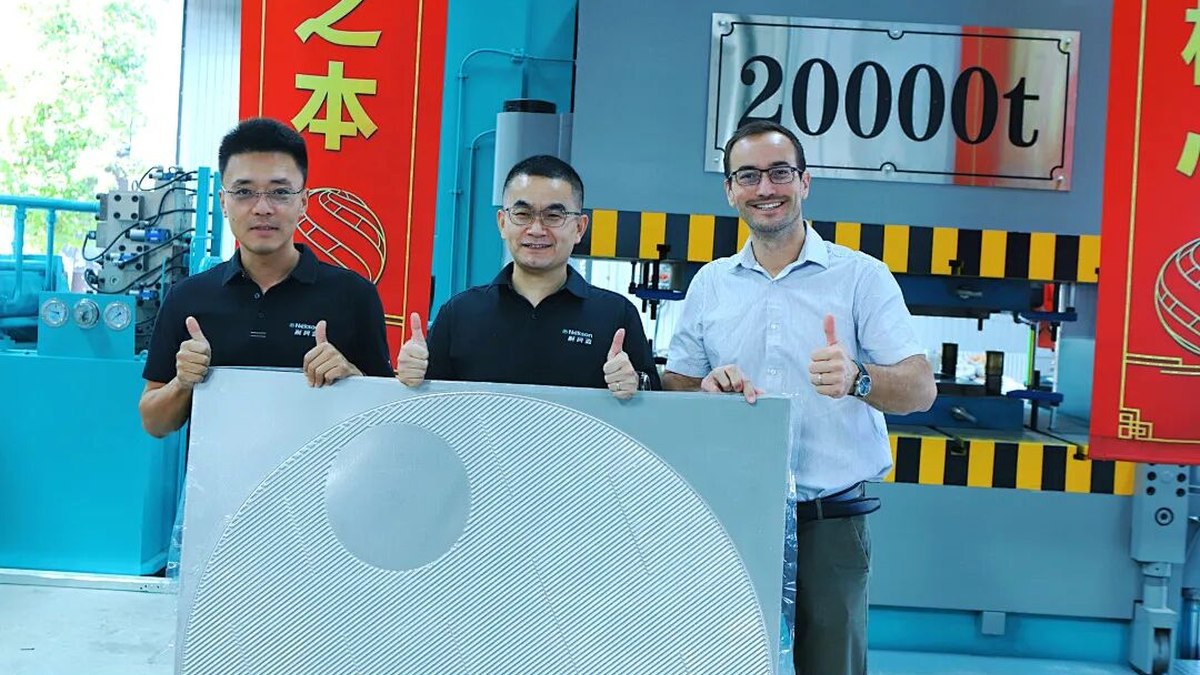
The fully welded plate bundle eliminates the swelling and leakage problems of conventional designs, while the circular shell reduces flow resistance by 30% and improves fatigue resistance more than tenfold over rectangular units. Measured values put its heat transfer coefficient at twice that of a conventional shell-and-tube unit, with one eighth of the footprint — fully meeting the owner’s demanding requirements.
Technical foundation: a mature path in CCUS
Carbon capture, utilisation and storage (CCUS) is one of the core decarbonisation technologies worldwide. Within post-combustion capture routes, chemical solvent absorption is the mainstream choice thanks to its high efficiency and low cost. Nexson’s exchangers are designed for the critical “solvent regeneration – waste heat recovery” step of that process: with precise temperature control (differential temperature held to ±2 °C) and low energy consumption, they cut solvent regeneration energy use by 15%, matching the project’s central goal of low-carbon operation.
Global experience: decarbonisation know-how across industries
This is not Nexson’s first move into CCUS. As one of the earliest European manufacturers to invest in the technology, we have built mature solutions across several industries:
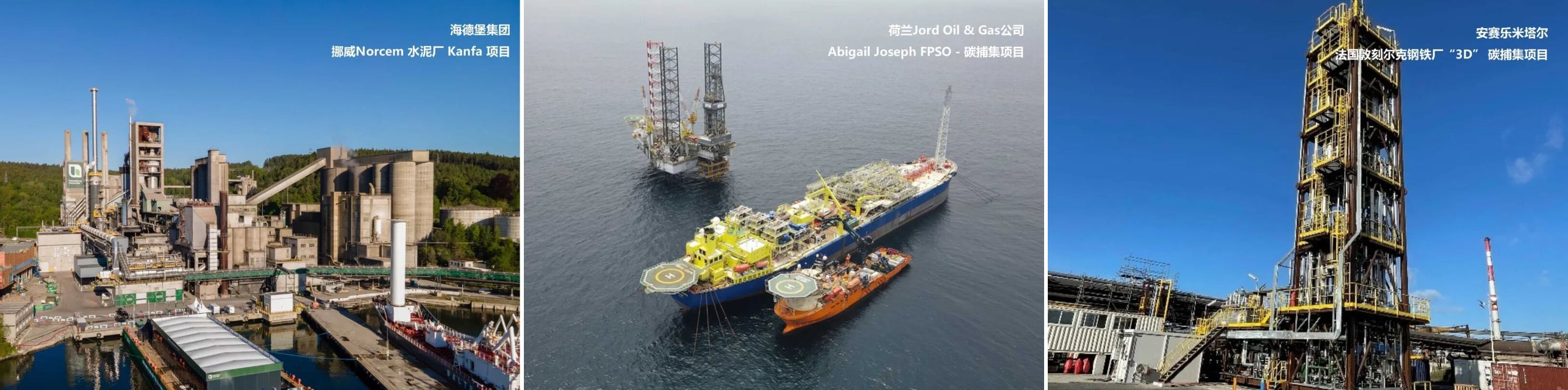
Metals: fully welded plate heat exchangers for the “3D” carbon capture project at ArcelorMittal’s Dunkirk steelworks in France, matched to Axens’ DMX™ solvent process. In operation since 2023, it captures 92% of the carbon in blast furnace gas.
Cement: spiral plate heat exchangers for the Kanfa project at Heidelberg’s Norcem cement plant in Norway, used for lean amine cooling and reboiling, supporting 400,000 tonnes of CO₂ captured a year and a 50% reduction target.
Offshore: heat exchanger modules for the carbon capture project aboard the Abigail Joseph FPSO of Jord Oil & Gas in the Netherlands, where captured CO₂ is reinjected into the crude — cutting emissions while improving oil recovery.
Beyond these, we have recently taken on comparable projects in Nigeria, Brazil and the United Kingdom, and supplied the Dalian Kemaer offshore platform. The global delivery map keeps expanding.
Industry significance: a replicable model for refining decarbonisation
The successful delivery at Dushanzi proves the reliability of Nexson plate-and-shell heat exchangers under highly corrosive media and variable load, and offers the domestic refining industry a reference model of “customised equipment plus process adaptation” for CCUS upgrades.
Mr. Fang Minhua, General Manager of Nexson Asia-Pacific, said: “Building on this project experience, we will further optimise the cost structure of CCUS heat exchange systems and replicate what worked here across thousands of projects.”