
The capacity race in traction and storage batteries is still accelerating in 2026. CALB has broken ground on a 51 GWh traction and storage battery base in Xinyang, Henan, with total investment of RMB 9.63 billion; Zhongling New Energy, its joint venture with Leapmotor, is building a 33.6 GWh intelligent battery manufacturing base in Wuyi, Zhejiang.
These two major battery projects share one easily overlooked common feature: an extremely high requirement for precision temperature control in cell production.
The making of a cell: temperature, the underestimated lifeline
On a cell line, temperature is never a matter of “roughly right”. The electrolyte filling workshop needs a constant 20–25 °C at low dew point; formation and grading have to hold cell temperature firmly below 30 °C, or consistency, yield and even safety suffer. Temperature control is, in that sense, the underestimated lifeline of cell production.
Cell manufacturing is a continuous, high-load, high-cleanliness process. From electrode coating and rolling to filling, formation and grading, almost every critical step is temperature sensitive:
Electrolyte filling: filling needs a constant 20–25 °C and a low dew point. Temperature fluctuation causes moisture to condense, directly affecting filling stability and cell consistency.
Formation and grading: charging and discharging release a great deal of heat that has to be removed promptly to keep cell temperature below 30 °C. Once temperature runs over, consistency drops at best; at worst, thermal runaway risk is built in.
Continuous operation: lines run 24 hours without stopping. If the cooling system drifts in temperature or stops, losses are counted in minutes.
So a battery plant’s cooling solution cannot simply “be able to cool”. It has to meet four conditions at once: precise constant temperature, clean water quality, continuous reliability, and energy efficiency with room to scale.
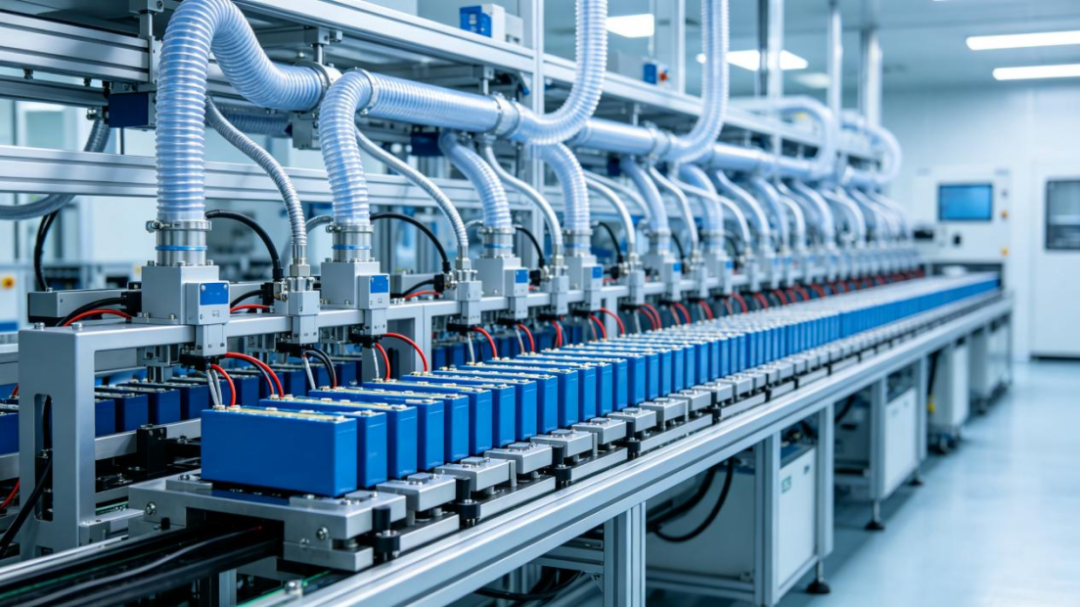
The PCW package: the thermostat of the cell line
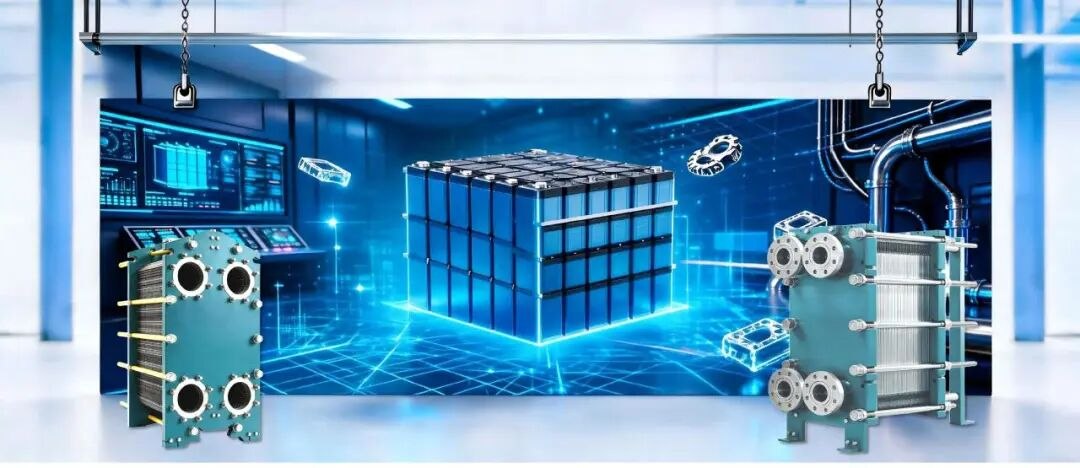
The process cooling water (PCW) system is the industry’s mainstream answer, and the plate heat exchanger unit sits at its core. The principle is not complicated: primary-side chilled water passes through the plate heat exchanger and exchanges heat with secondary-side process water in isolation, then a variable-frequency circulation pump delivers the temperature-stabilised process water to the line equipment, and the cycle repeats.
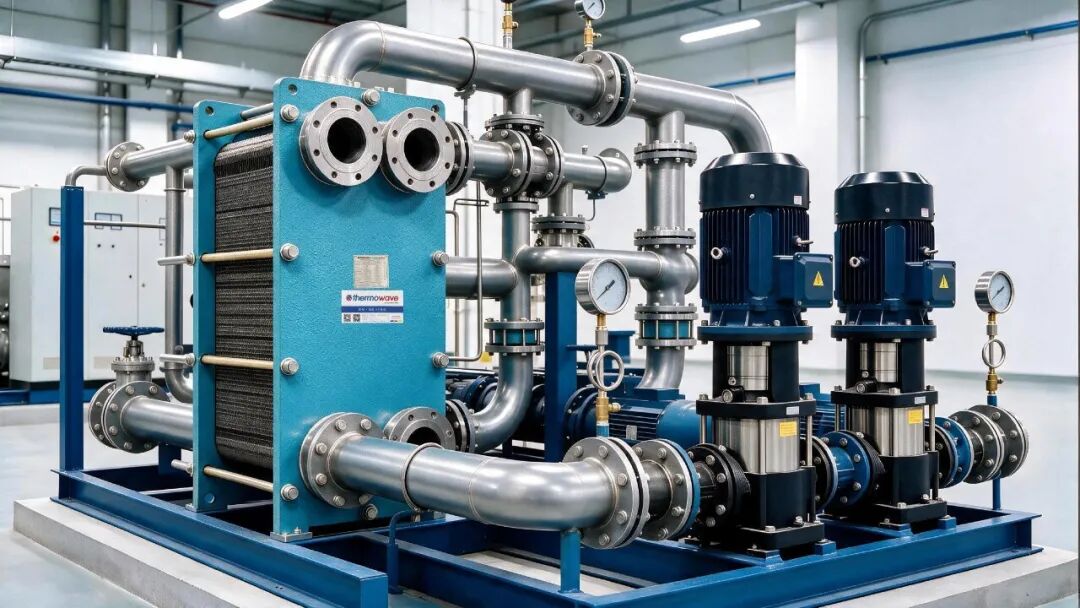
Against direct cooling, the plate heat exchanger unit delivers three key values:
Isolated heat exchange: process water and chilled water stay separate, avoiding cross-contamination. Combined with a fully closed loop, scaling and impurity growth are cut off at source.
Constant temperature and pressure: PLC control with variable-frequency pumps keeps outlet temperature stable and pressure steady, avoiding water hammer and other fluctuations that damage precision equipment.
Clean and reliable: multi-stage filtration guarantees water quality, with high heat transfer efficiency and a small footprint suited to the demanding environment of a cell workshop.
In short, the PCW plate heat exchanger unit is the thermostat that keeps a cell line running steadily.
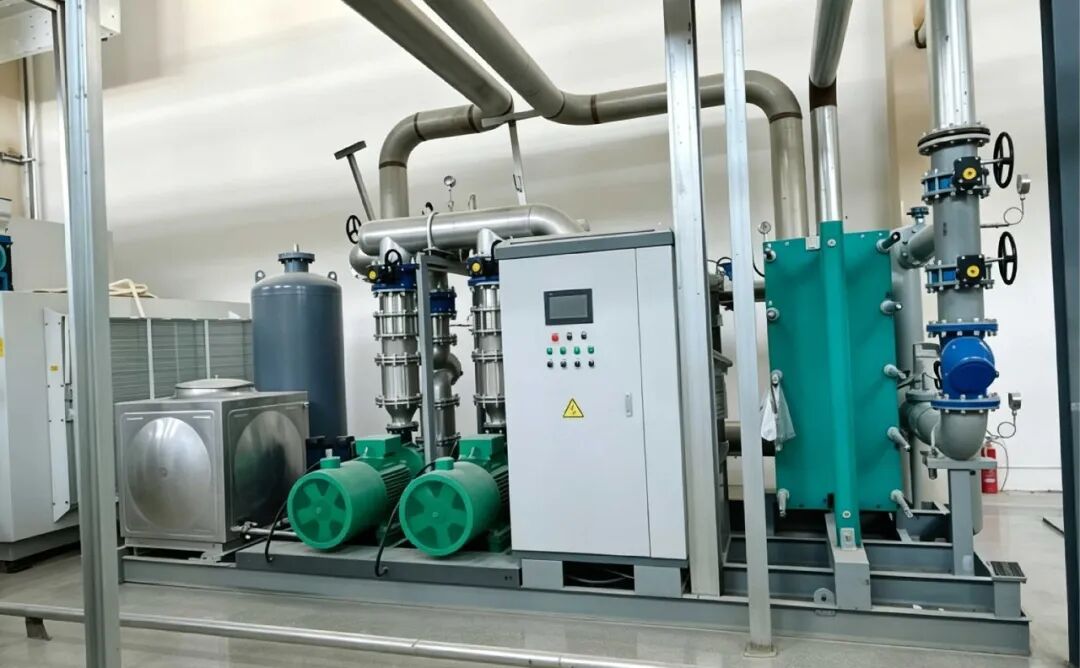
Case 1: CALB Xinyang, 51 GWh base
The CALB Xinyang base represents total investment of RMB 9.63 billion on about 607 mu, with 51 GWh of planned combined traction and storage battery capacity — the largest single new energy battery manufacturing investment in southeastern Henan — and production scheduled to start in October 2026.
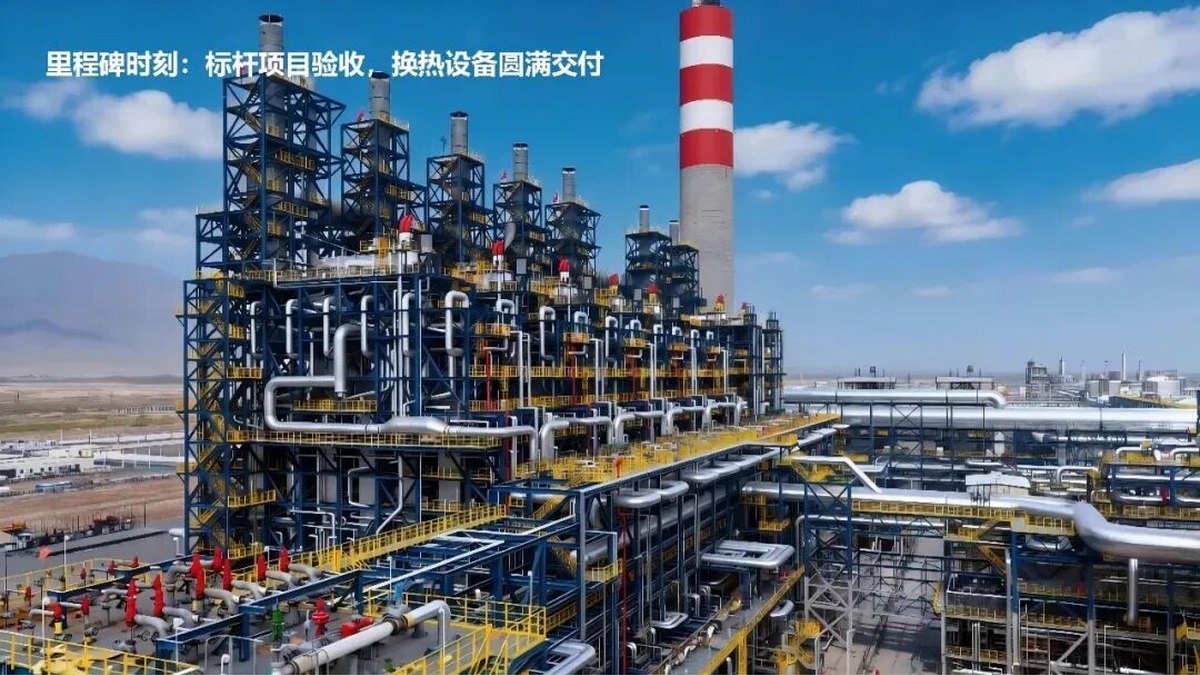
For cooling equipment, the biggest test here is scale: multiple lines running in parallel, wide load swings, long continuous operation, and room to be left for later technology upgrades. We supplied four plate heat exchanger units for its M1 cell project. The core lies in standardisation, modularity and redundancy in the scheme, keeping temperature control precise and stable under high load and long running hours.
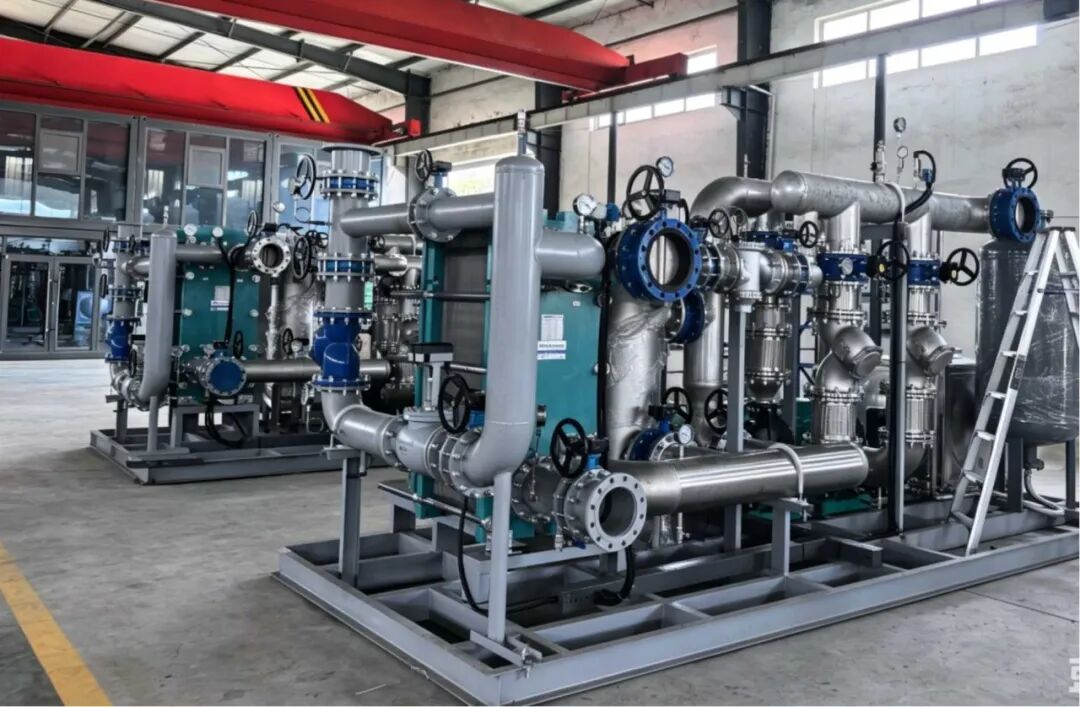
Case 2: Zhongling New Energy Wuyi, 33.6 GWh base
The Zhongling New Energy intelligent traction battery manufacturing base is a joint venture between CALB and Leapmotor, planned for 33.6 GWh of battery systems a year on the phosphate chemistry route, with annual output value above RMB 10 billion at full capacity.
Compared with conventional chemistries, the new phosphate materials demand higher precision and stability in process temperature control, under more complex duties. We delivered six plate heat exchanger units for this base, adapting everything from scheme selection to installation and commissioning to the specific process characteristics of the line.
Two bases, ten units, one logic
Two projects, ten units, and one judgement behind them: what a battery plant buys is not a machine but a temperature control system that will run stably for years. From selection and delivery to operation, the test is understanding of the process, fit of the scheme, and reliability of delivery.
For traction and storage battery makers, the value of the PCW package can be condensed into one sentence: keep the line running at the right temperature at all times, and protect yield, consistency and safety.
As storage installations and new energy vehicle demand keep growing, and solid-state batteries and new material systems move towards industrialisation, battery lines will only demand more precision and reliability from temperature control. Temperature is moving from a “production parameter” to a “core competitiveness”.
If you are also planning a traction or storage battery line, talk to the Nexson expert team about temperature control. Let every cell be born at the right temperature.