

Energy Stations
1. Industry Demand Integrated energy stations operate with multi-energy coupling modes and support CCUS low-carbon system integration. The core industry requirements focus on adapting to frequent multi-heat-source switching, diverse heat exchange media and wide temperature & pressure fluctuations inside energy stations. The equipment must guarantee stable energy supply, high-efficiency heat transfer, in-depth waste heat recovery, corrosion resistance and low-carbon operation to support long-term
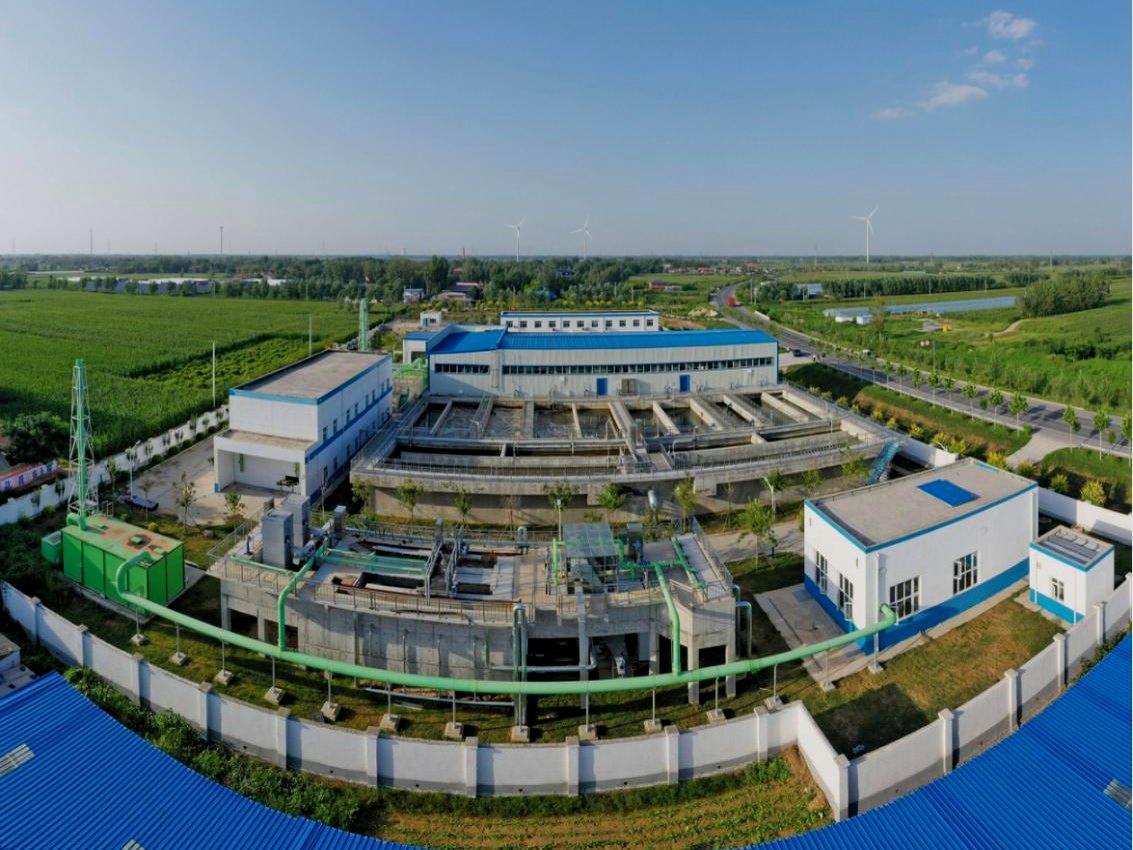
Typical Process & Heat Exchanger Stations

Industry Overview
1. Industry Demand
Integrated energy stations operate with multi-energy coupling modes and support CCUS low-carbon system integration. The core industry requirements focus on adapting to frequent multi-heat-source switching, diverse heat exchange media and wide temperature & pressure fluctuations inside energy stations. The equipment must guarantee stable energy supply, high-efficiency heat transfer, in-depth waste heat recovery, corrosion resistance and low-carbon operation to support long-term intelligent unmanned operation of energy stations.
2. Core Working Stations
Core working stations of energy systems include internal heat pump heat exchange, low-grade waste heat recovery, multi-energy complementary precise temperature control, CCUS amine regeneration and CO₂ capture cooling. Widely applied in new-built, renovated and low-carbon coupled integrated energy stations, it realizes efficient multi-energy utilization and low-carbon operation for energy stations.
3. Core Equipment
1. Nexson GreenP&S Plate-and-Shell Heat Exchanger: Core flagship equipment for energy stations, dedicated to main heat pump heat exchange and CCUS amine regeneration, with wide temperature & pressure adaptability, anti-fluctuation performance and long maintenance cycles;
2. Thermowave Thermoline Semi-Welded Heat Exchanger: Specialized for energy station waste heat recovery, anti-clogging and easy to clean for various internal low-grade waste heat utilization.


