


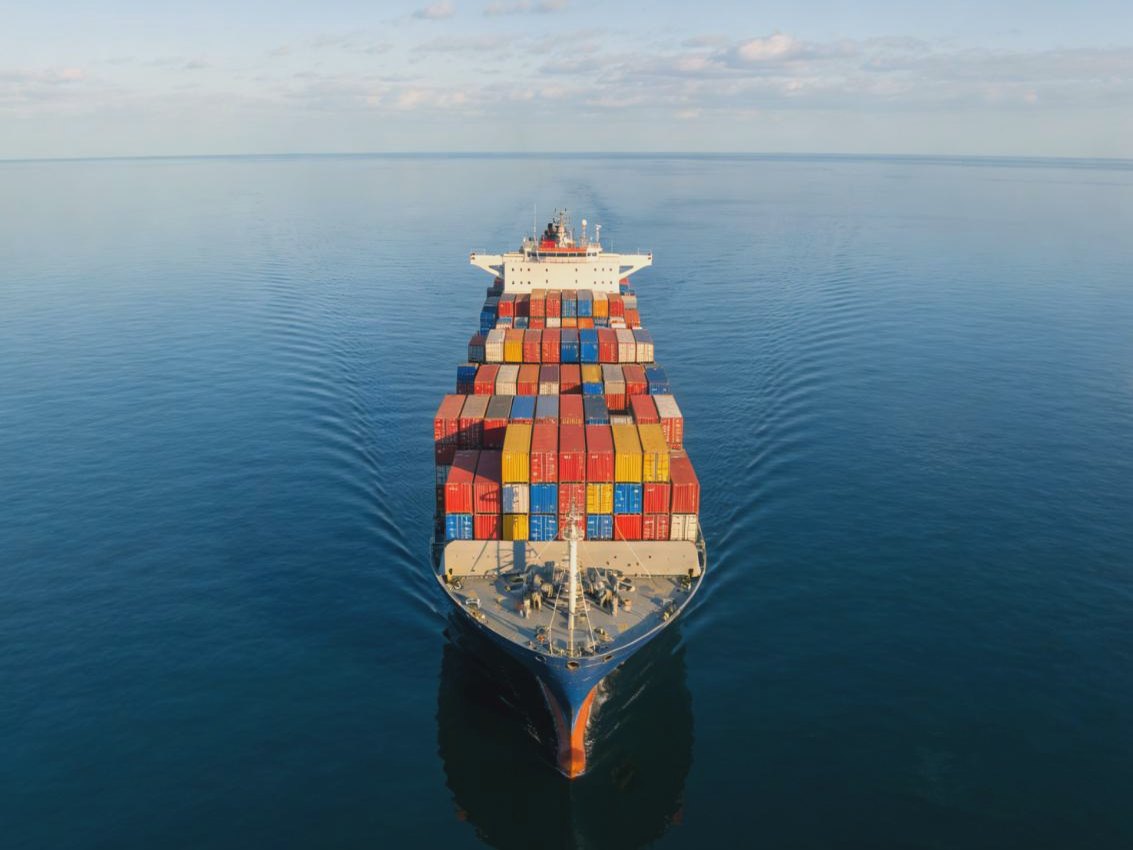
Marine
During vessel navigation, core applications including main engine cooling, auxiliary lube oil temperature control, seawater desalination, cabin air conditioning heat exchange and diesel exhaust waste heat recovery face harsh operating conditions: heavy salt fog corrosion (3.5% salinity), continuous pitching & rolling shocks (pitch ±15°, roll ±30%), confined cabin space (volumetric efficiency ≥80%), and diverse media (seawater, lube oil, fuel oil, exhaust gas).
Read more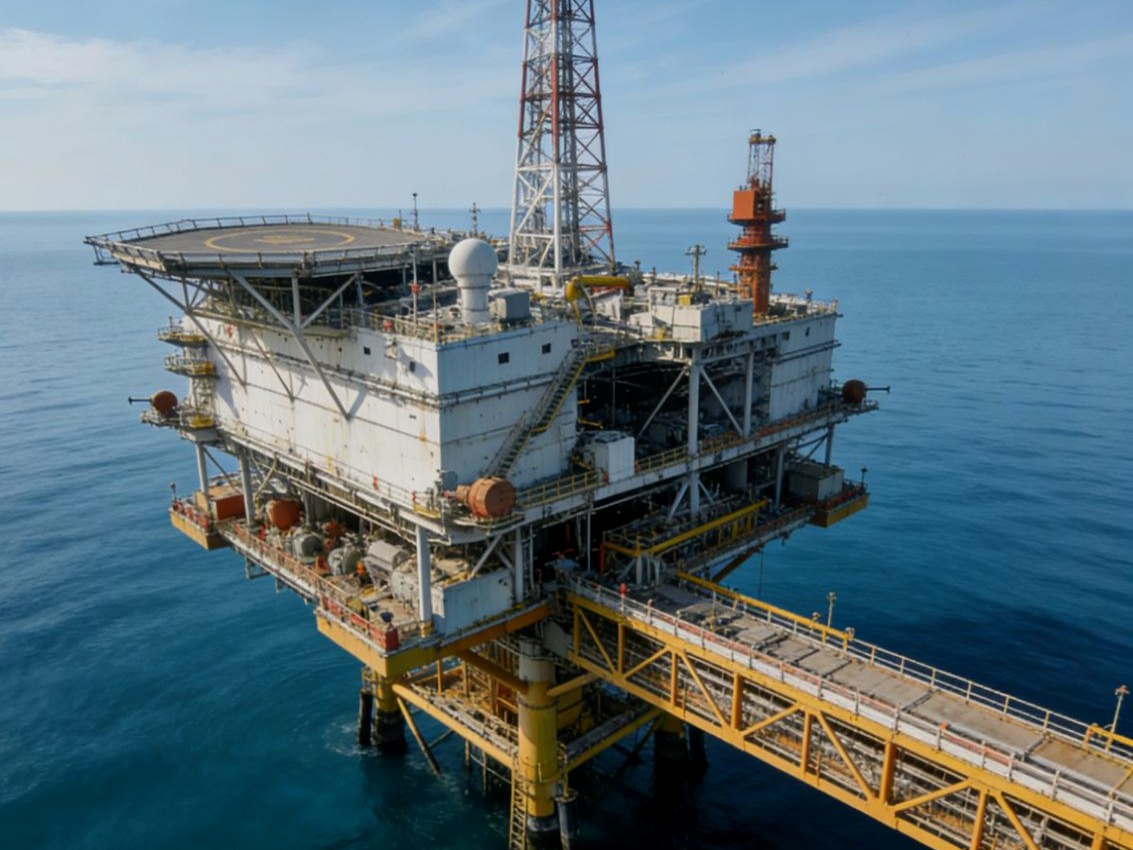
Offshore Platforms
For offshore platforms (vessels & offshore facilities), core scenarios including oil & gas processing cooling, domestic hot water supply and equipment heat dissipation suffer severe challenges: heavy salt fog corrosion, extremely limited footprint and difficult offshore maintenance. Heat exchangers shall deliver high efficiency and long service life with superior reliability.
Read more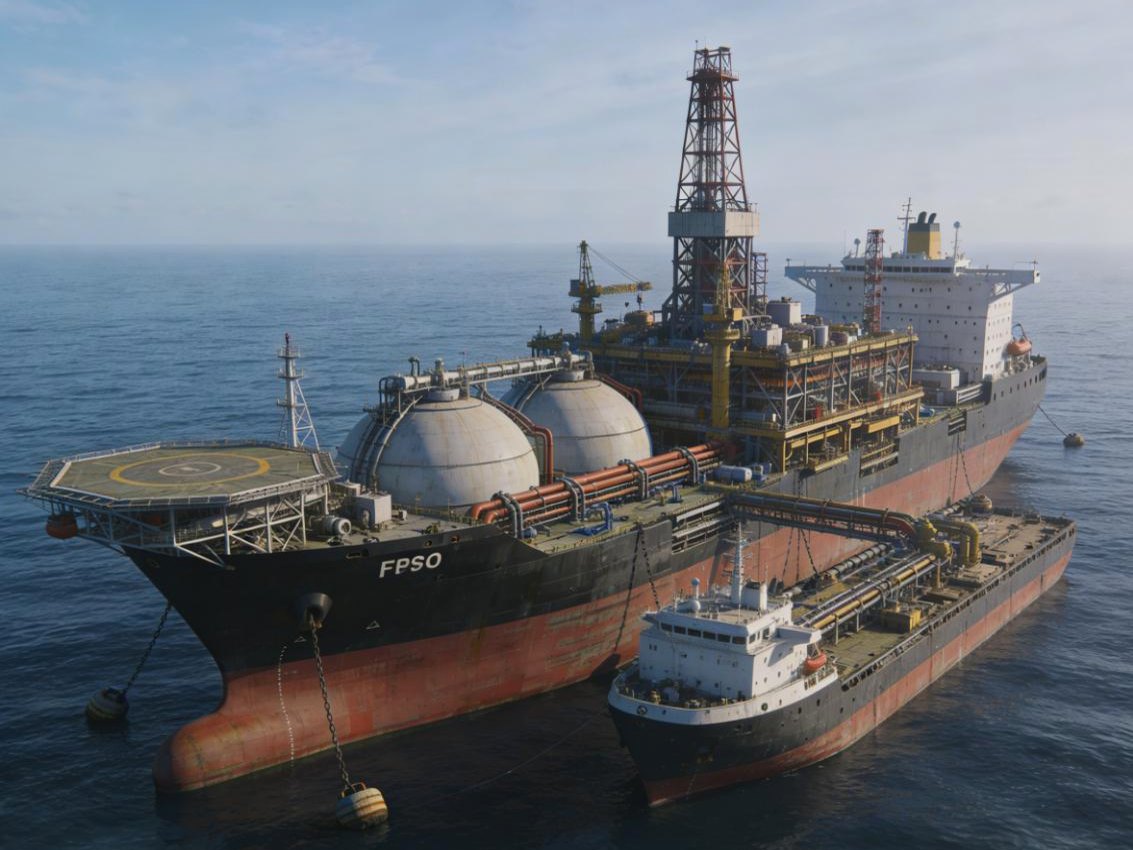
FPSO
As critical facilities for offshore oil & gas exploitation, FPSOs (Floating Production Storage and Offloading units) endure severe marine corrosion and wave loads while conducting complex oil-gas processing and storage within cramped cabin space. This imposes stringent demands on heat exchangers in structural strength, corrosion resistance and space adaptability, facilitating the development of custom-tailored heat exchange equipment.
Read more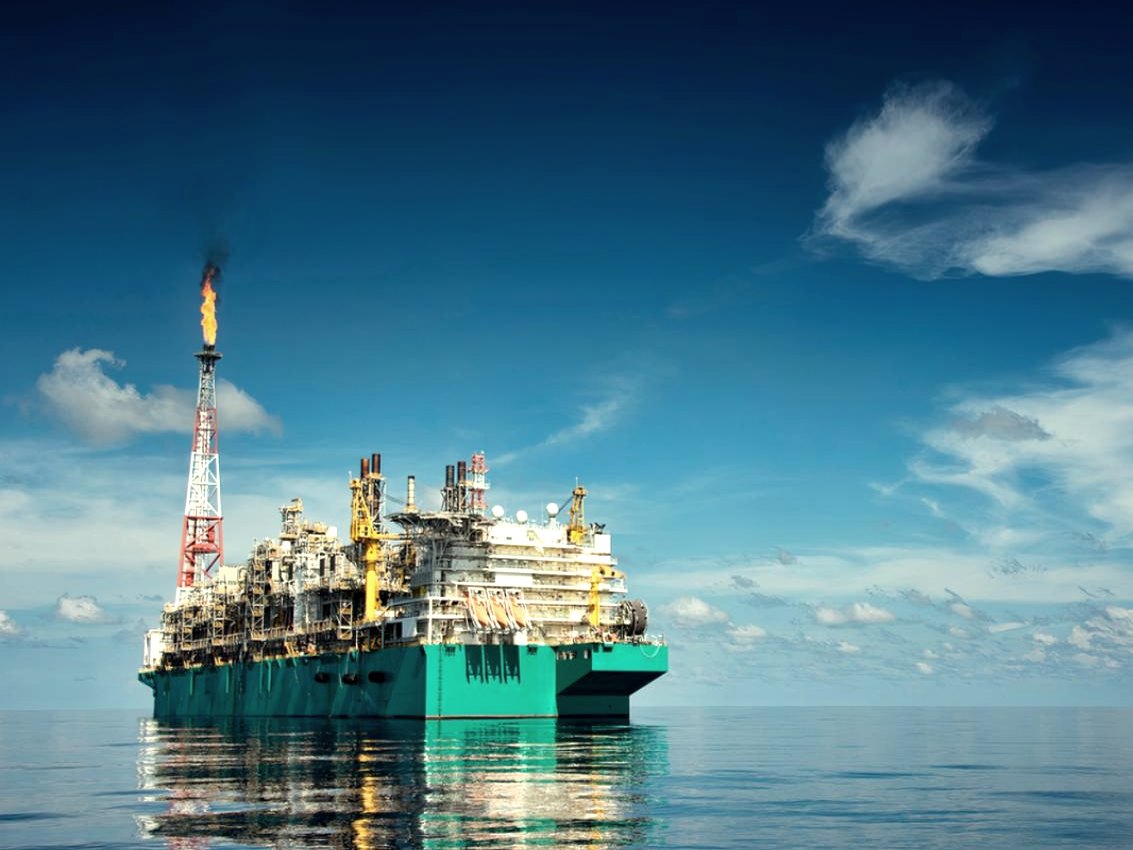
FLNG
As integrated facilities for offshore natural gas liquefaction, storage and transportation, FLNG (Floating Liquefied Natural Gas units) require heat exchangers to efficiently handle ultra-low temperature conditions and offshore rocking motions for gas liquefaction cooling, cold energy recovery and equipment heat dissipation.
Read more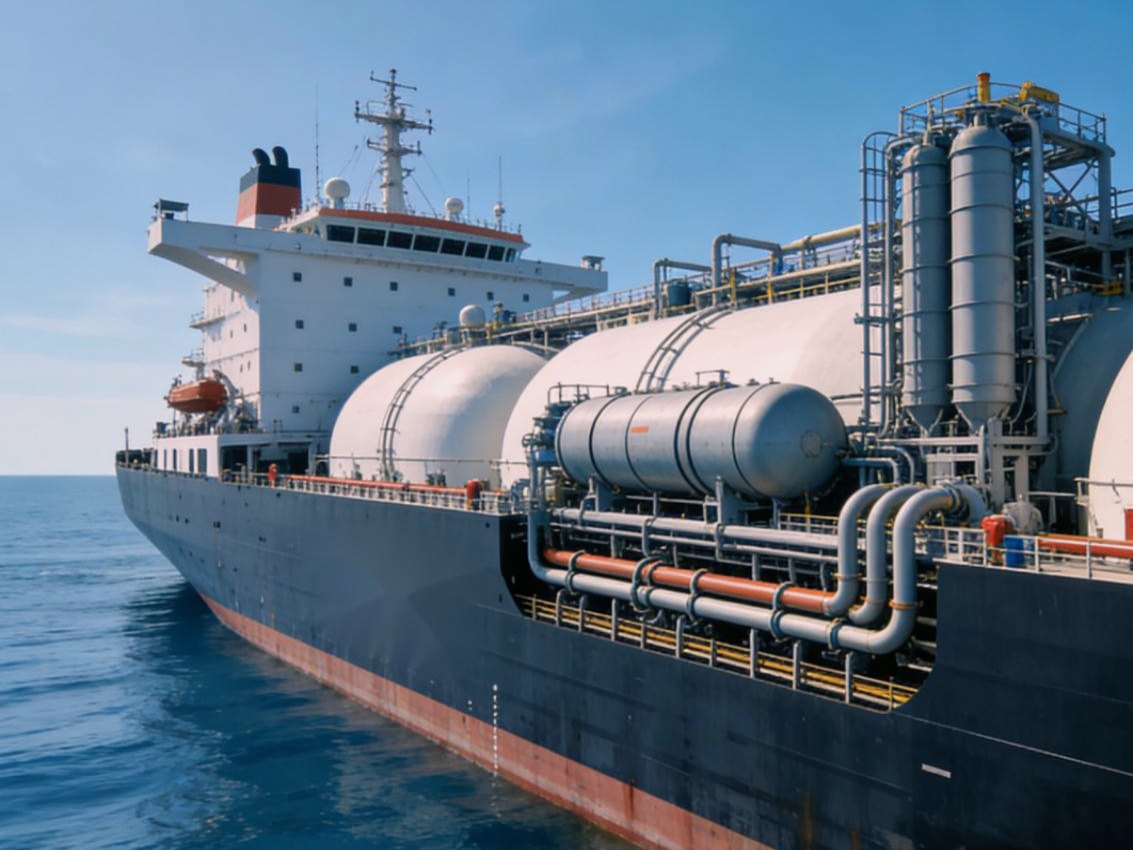
FGSS
As the core of marine clean energy power, FGSS (Fuel Gas Supply System) involves LNG vaporization, gas preheating and system cooling. With LNG stored at -162℃, the system demands extreme low-temperature resistance and zero-leakage performance. Marine operating conditions feature high salt fog, continuous vibration and extreme temperature fluctuations. Heat exchangers must deliver reliable low-temperature adaptability, anti-corrosion capability, vibration resistance and ultra-safe sealing to ensu
Read more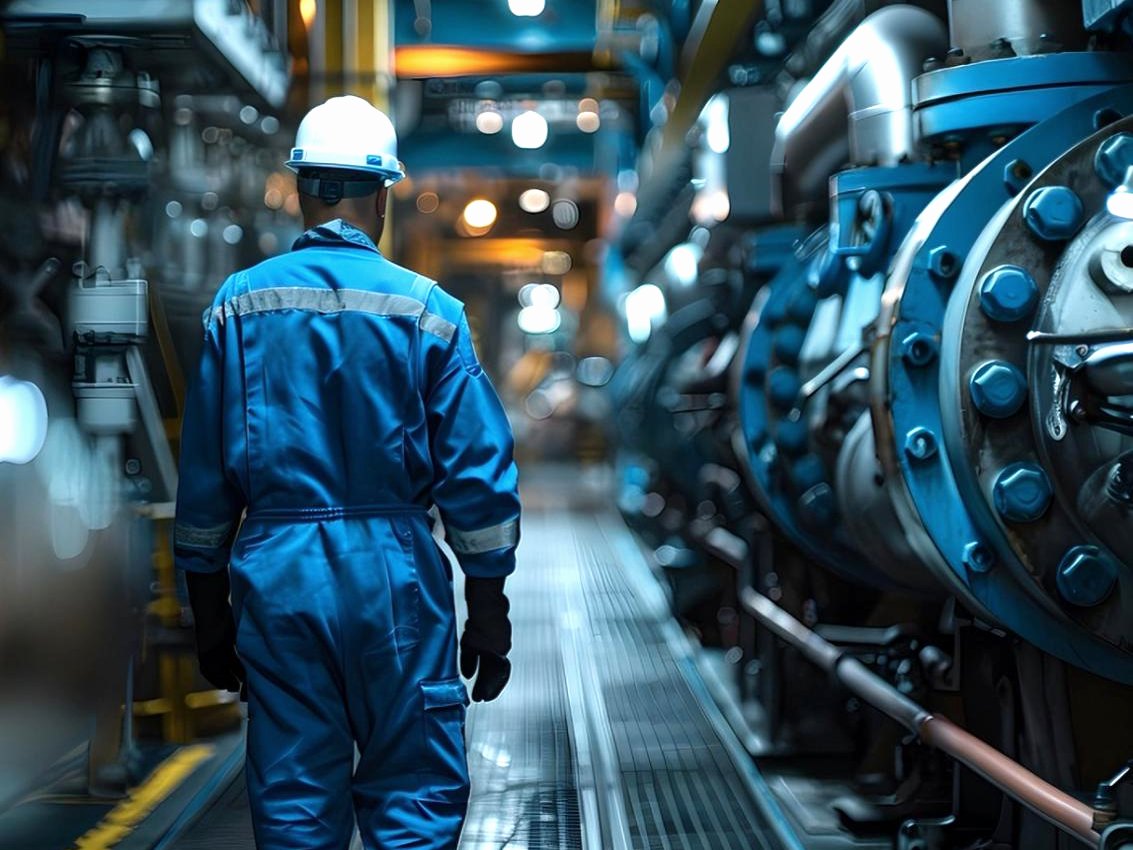
Marine & Offshore · Other
Beyond the dedicated pages: offshore wind platform cooling, underwater equipment temperature control and auxiliary heat exchange duties such as platform fire main temperature control and ballast water heat exchange. They share severe marine corrosion, restricted installation space and high reliability requirements, calling for custom-adapted, corrosion-resistant and space-compatible heat exchangers.
Read more