


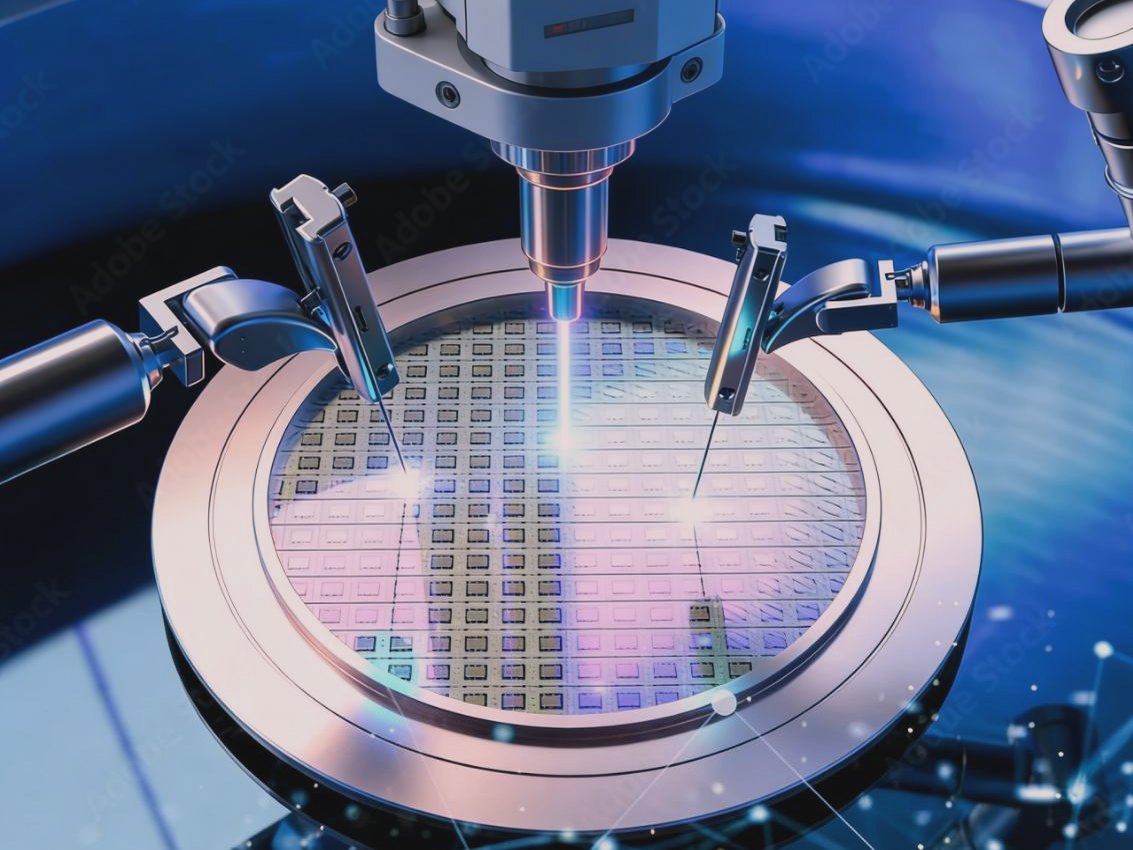
Semiconductors
Semiconductor manufacturing requires ISO Class 1–3 ultra-high cleanliness, ±0.1–0.5℃ precise temperature control and zero secondary pollution under strong acid-base corrosive conditions. Heat exchangers must feature ultra-clean performance, accurate thermal regulation, corrosion resistance and easy maintenance to guarantee wafer yield and process stability.
Read more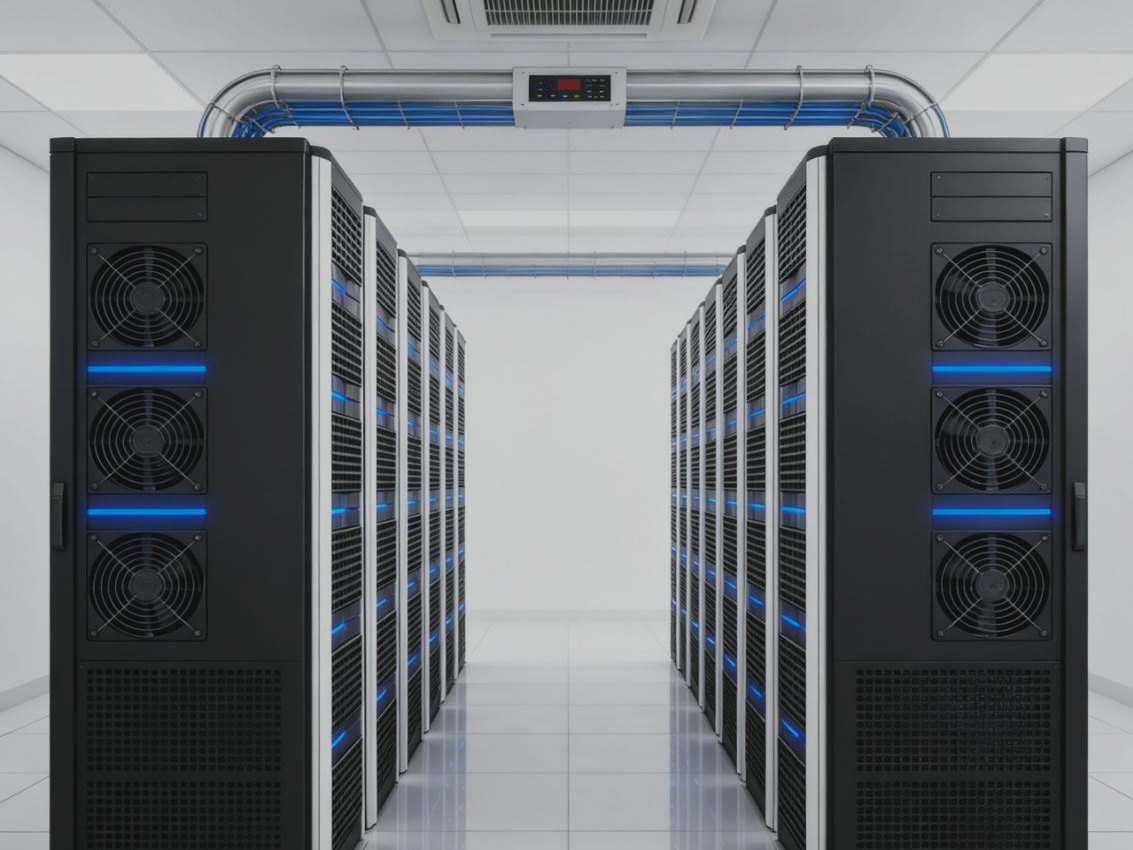
Air Cooling Solutions
Modern data centers feature rising computing density, strict low-noise standards and low PUE energy-saving requirements. Air cooling systems face heat attenuation risks caused by dust deposition. Heat exchangers need low air resistance, ultra-low noise, high energy efficiency and easy maintenance to balance server heat dissipation, fan power consumption and constant room temperature, ensuring stable and energy-efficient data center operation.
Read more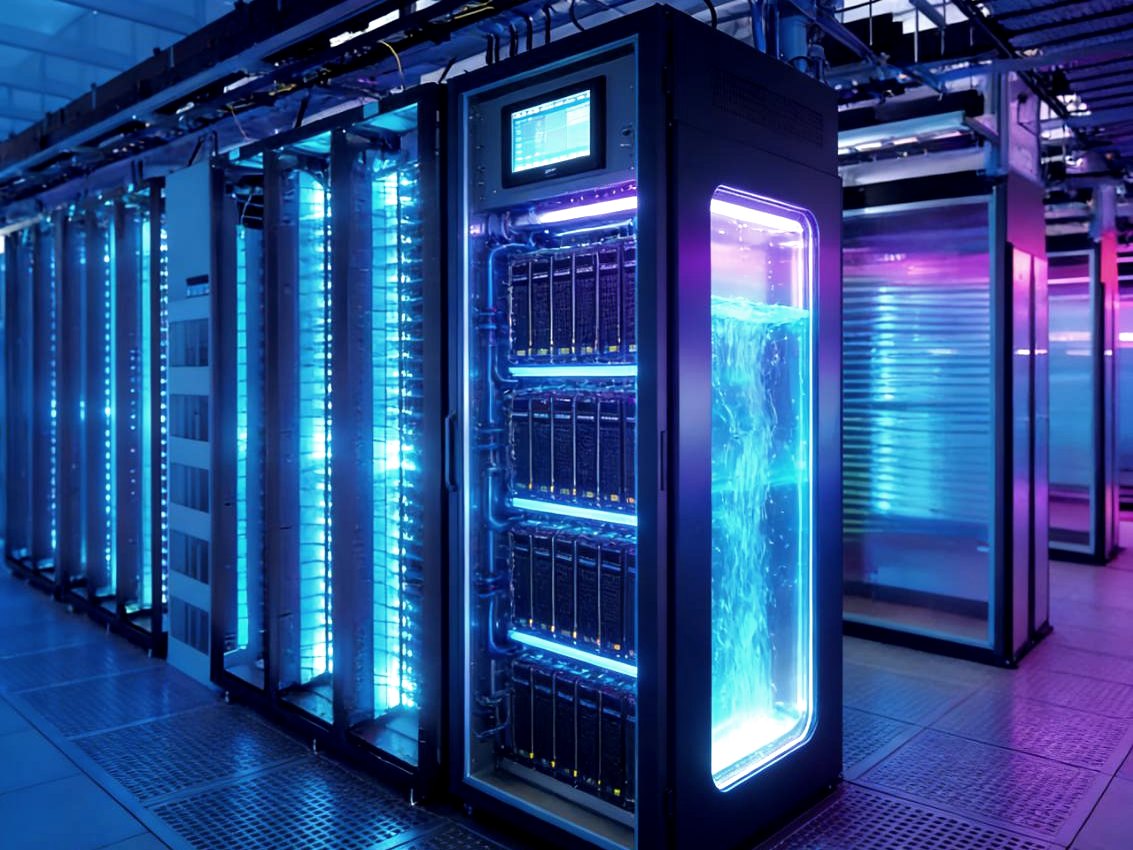
Liquid Cooling Solutions
High-density computing data centers feature rack power from 20 kW up to 100 kW, making traditional air cooling inadequate for intensive heat dissipation. Liquid cooling requires compatible heat exchange equipment for glycol, mineral oil and fluorinated liquid, supporting 24/7 continuous operation in confined spaces. Heat exchangers demand high efficiency, zero leakage, low flow resistance and easy maintenance to stabilize chip temperature, avoid computing attenuation and achieve ultra-low PUE.
Read more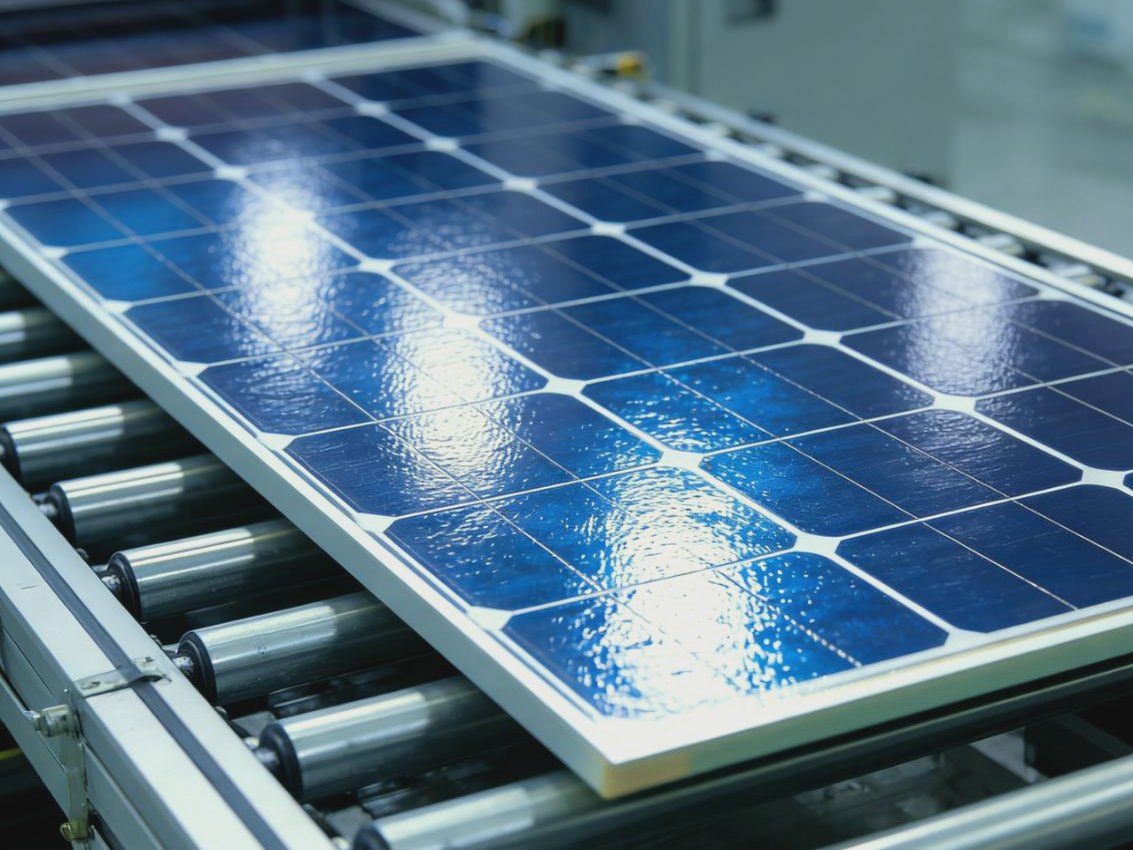
PV Panels
PV system operation includes inverter heat dissipation, energy storage cooling and PV panel temperature regulation. Equipment operates continuously outdoors under extreme temperature changes, solar radiation, wind, rain and sand erosion. High temperature causes power generation attenuation and thermal runaway risks. Heat exchangers require excellent weather resistance, compact structure and stable heat transfer performance to ensure power generation efficiency and long-term safe operation of PV
Read more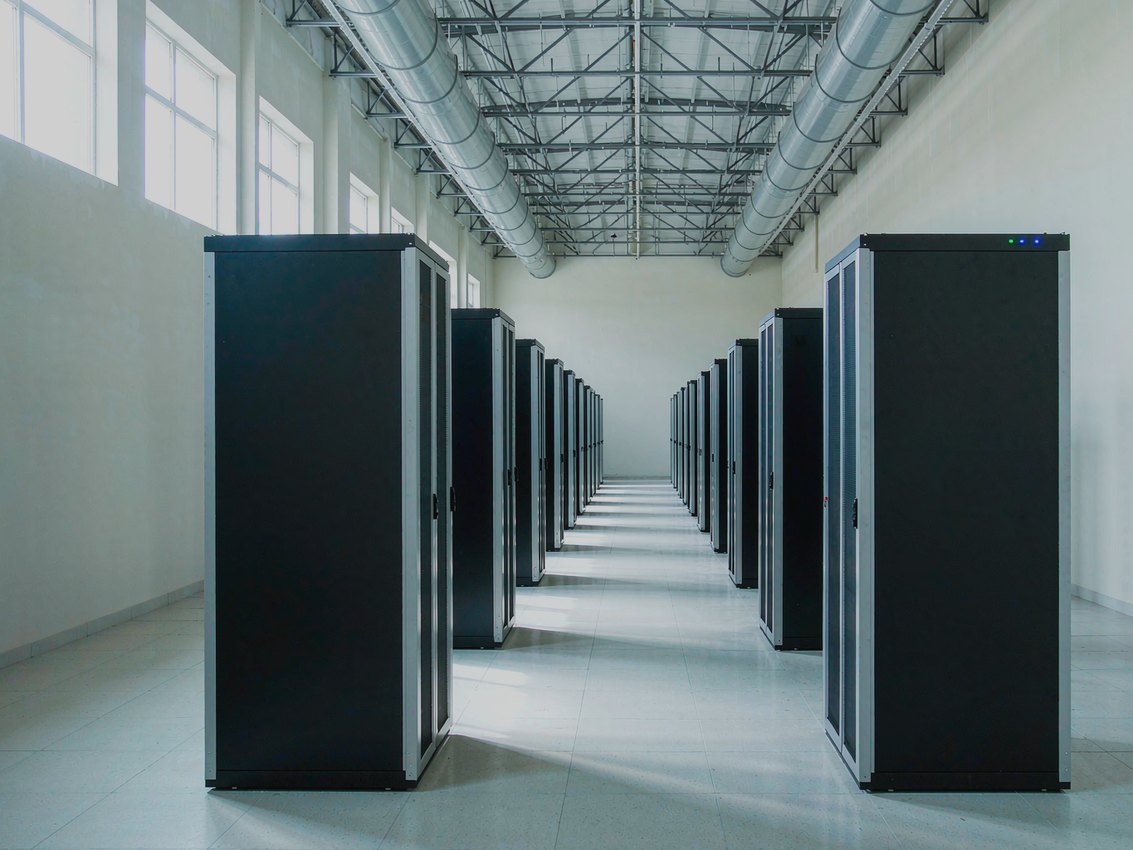
Blockchain Technology
Blockchain data center scenarios cover mining machine heat dissipation, node device temperature control and server cooling. High-density computing generates concentrated heat with continuous 7×24 high-load operation, easily causing hash rate attenuation and equipment failure. Heat exchangers require ultra-high heat flux density, compact integration, low noise and high stability to ensure consistent computing performance, data security and long-term reliable operation.
Read more