


Commercial & Industrial Refrigeration
Commercial and industrial refrigeration features strict low-temperature operation, uninterrupted full-time service and dynamic load fluctuations. The core requirements include precise low-temperature control, low cooling loss, excellent impact resistance and zero-leakage stable operation. Heat exchangers must adapt to differentiated working conditions of cold storage, cold chain transportation and industrial process cooling to guarantee cargo quality, stable production and low long-term energy &
Read more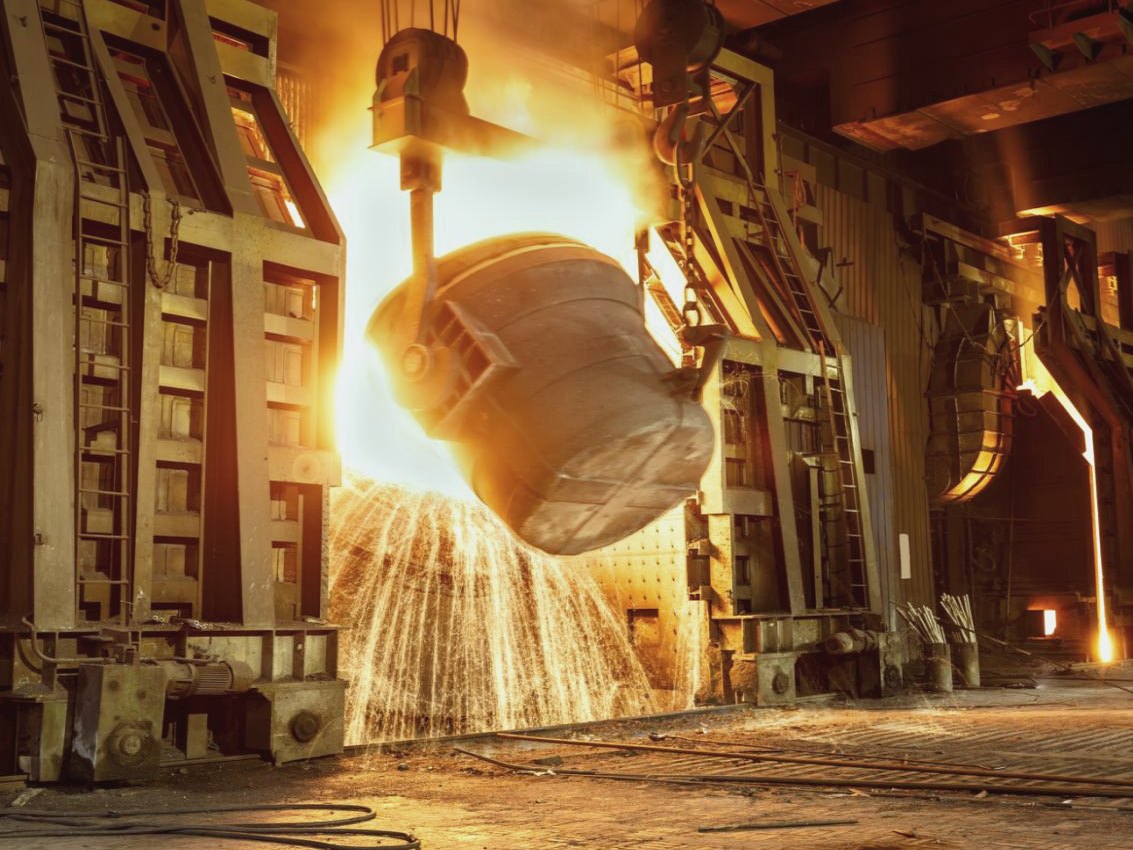
Iron & Steel Metallurgy
Steel metallurgy processes including blast furnace water cooling, converter flue gas waste heat recovery and rolling mill lubricant cooling feature extreme high temperature, heavy dust and impurity scouring with severe fouling and abrasion risks. Heat exchangers require outstanding heat resistance, anti-clogging, abrasion and corrosion resistance to adapt to fluctuating working conditions, ensure continuous heavy-duty production and realize energy saving and carbon reduction.
Read more
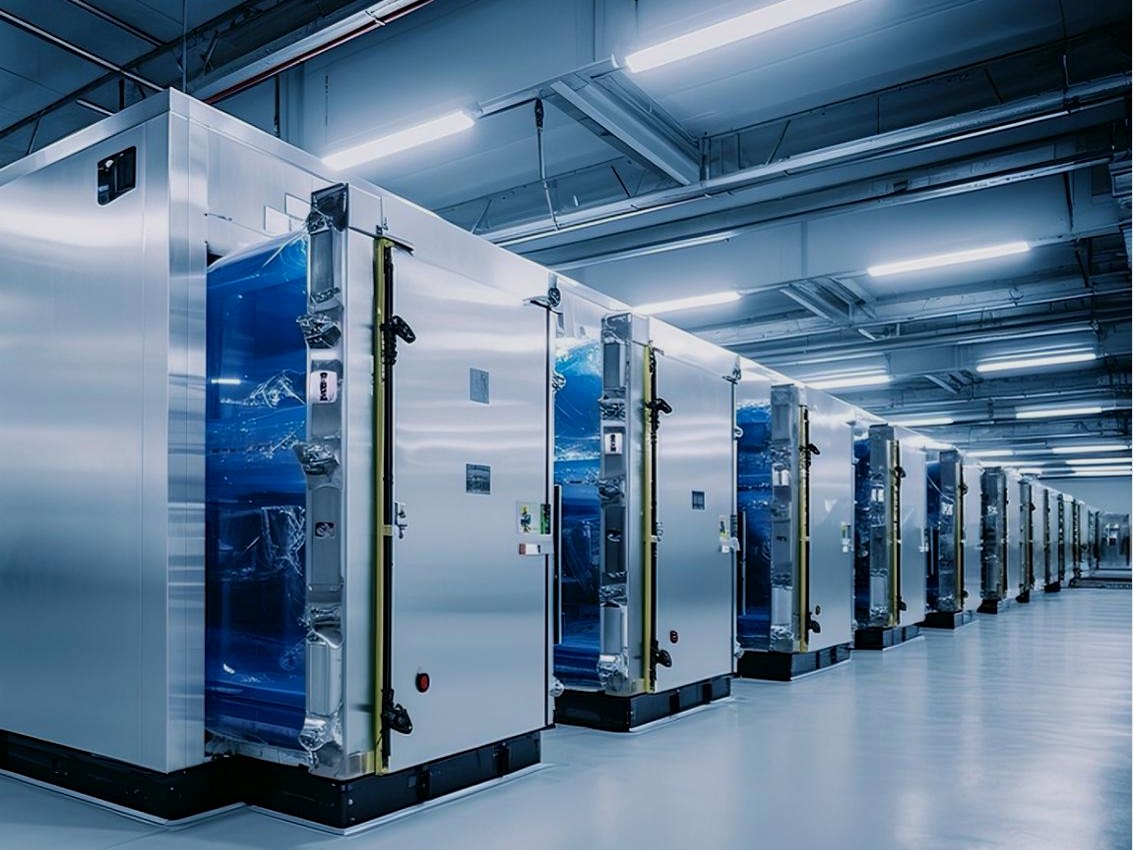
Liquid Cooling Solutions
High-density computing data centers feature rack power from 20 kW up to 100 kW, making traditional air cooling inadequate for intensive heat dissipation. Liquid cooling requires compatible heat exchange equipment for glycol, mineral oil and fluorinated liquid, supporting 24/7 continuous operation in confined spaces. Heat exchangers demand high efficiency, zero leakage, low flow resistance and easy maintenance to stabilize chip temperature, avoid computing attenuation and achieve ultra-low PUE.
Read more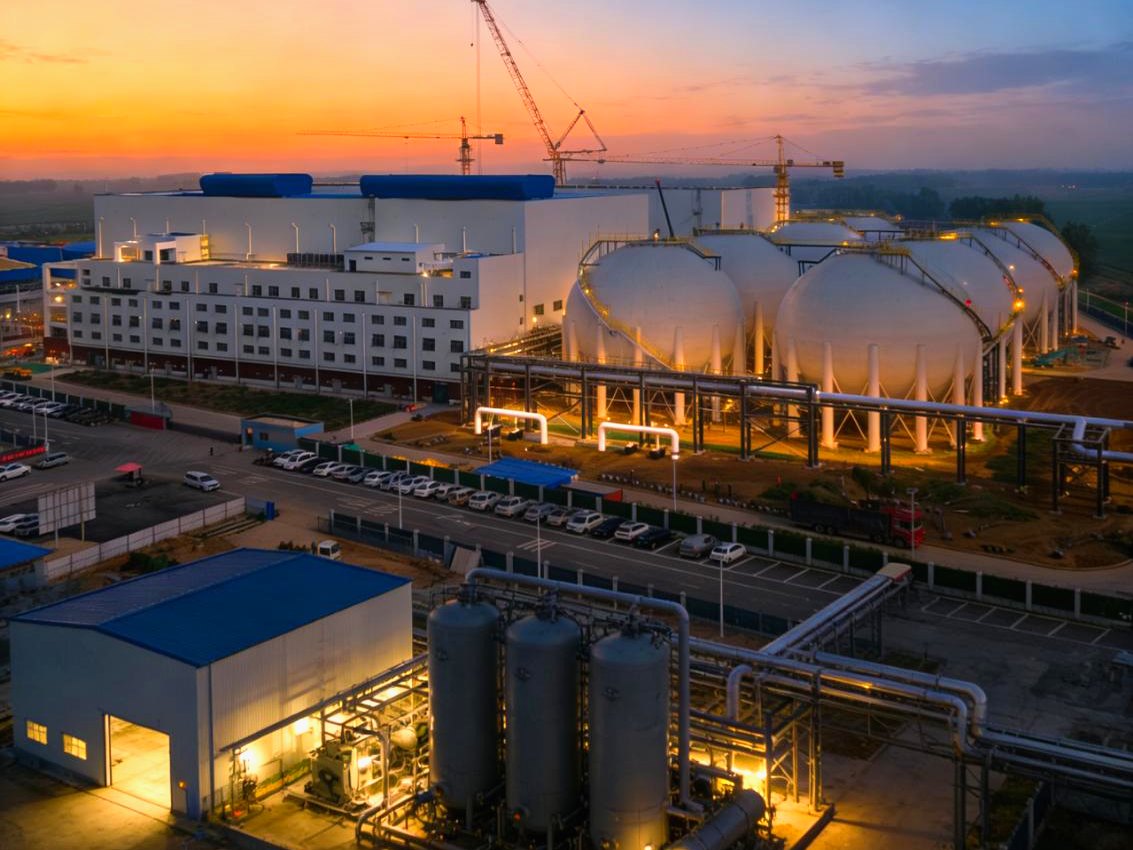
CAES
Compressed Air Energy Storage (CAES) features frequent peak-valley load fluctuations, rapid start-stop operation, high airtightness requirements and ambient temperature interference. The system requires efficient waste heat recovery, zero high-pressure air leakage and stable thermal regulation to minimize energy loss, guarantee long-cycle energy storage efficiency, and adapt to both large-scale power station and distributed micro energy storage scenarios.
Read more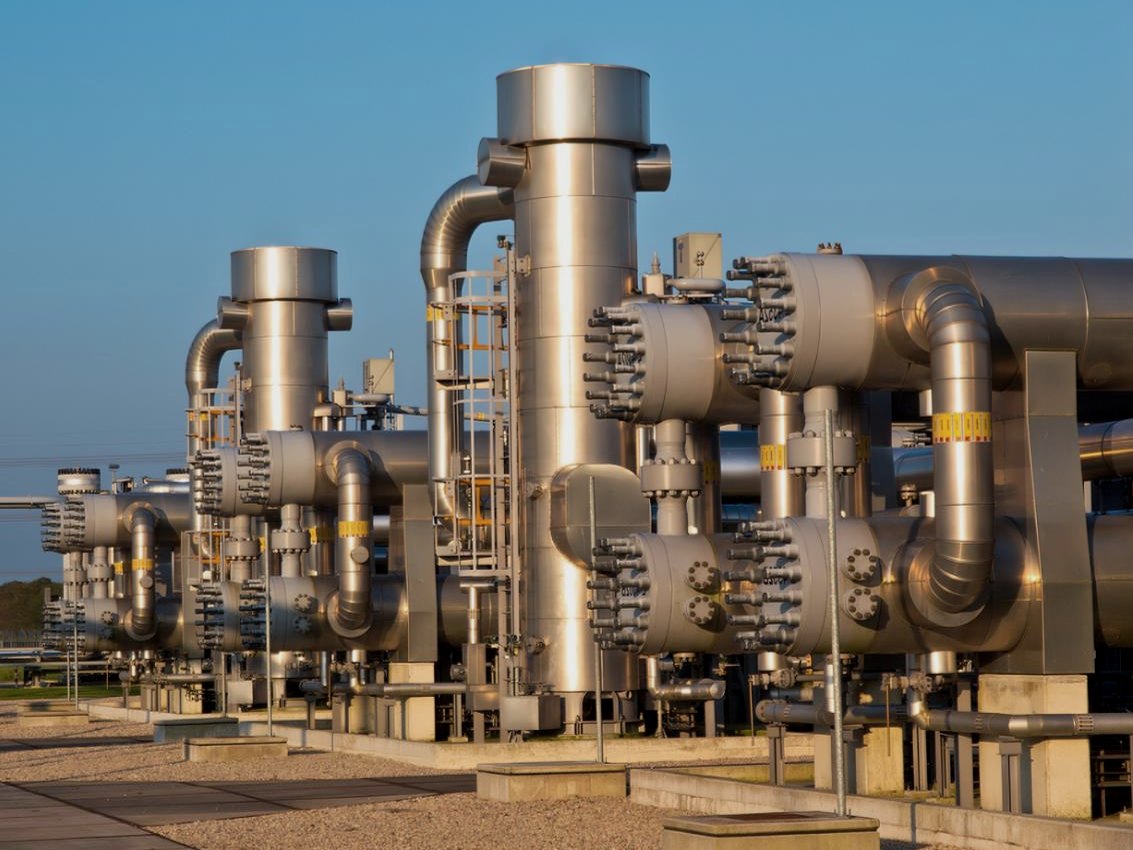
Gas Processing
Core natural gas processing processes such as amine desulfurization, decarbonization heat exchange and LNG preheating feature corrosive media, strict gas-liquid heat exchange requirements and frequent temperature & pressure fluctuations, with high risks of hydrate blockage. Heat exchangers must deliver excellent corrosion resistance, high heat transfer efficiency and reliable sealing to stabilize process temperature, ensure purification efficiency and avoid leakage and ice blockage for continuou
Read more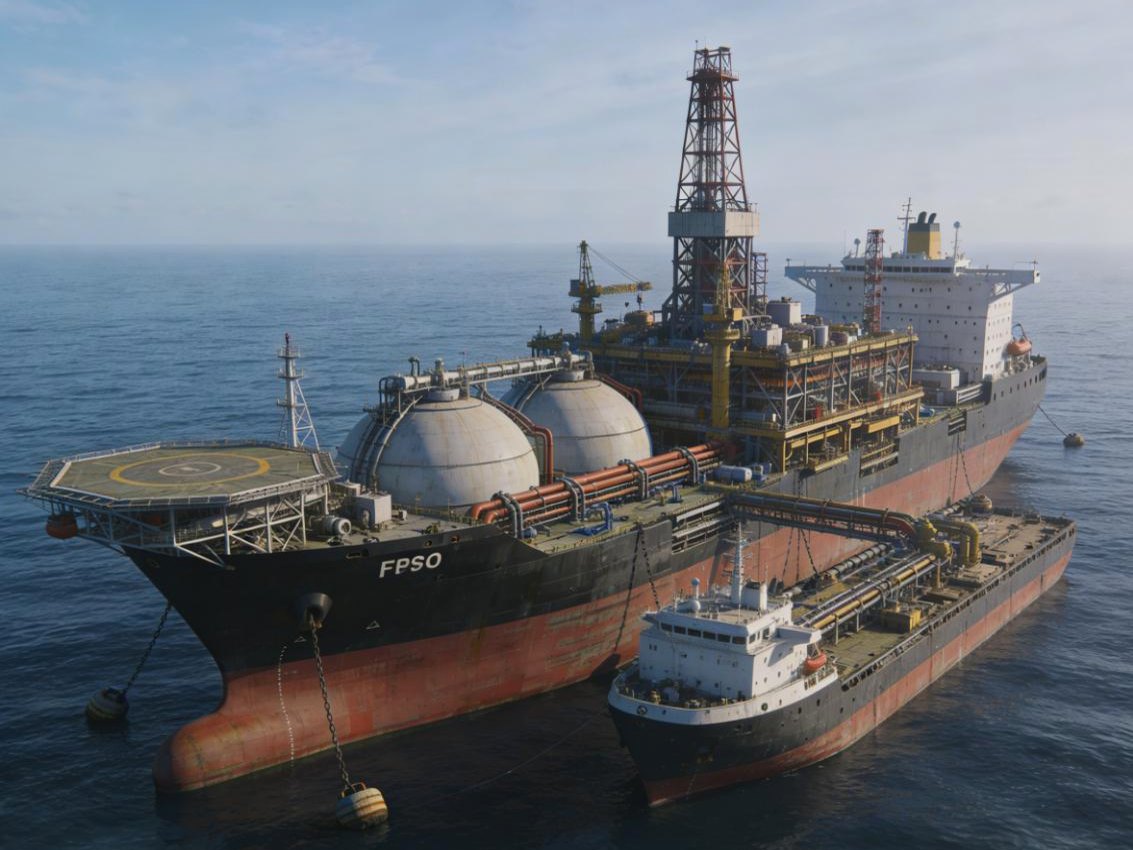
FPSO
As critical facilities for offshore oil & gas exploitation, FPSOs (Floating Production Storage and Offloading units) endure severe marine corrosion and wave loads while conducting complex oil-gas processing and storage within cramped cabin space. This imposes stringent demands on heat exchangers in structural strength, corrosion resistance and space adaptability, facilitating the development of custom-tailored heat exchange equipment.
Read more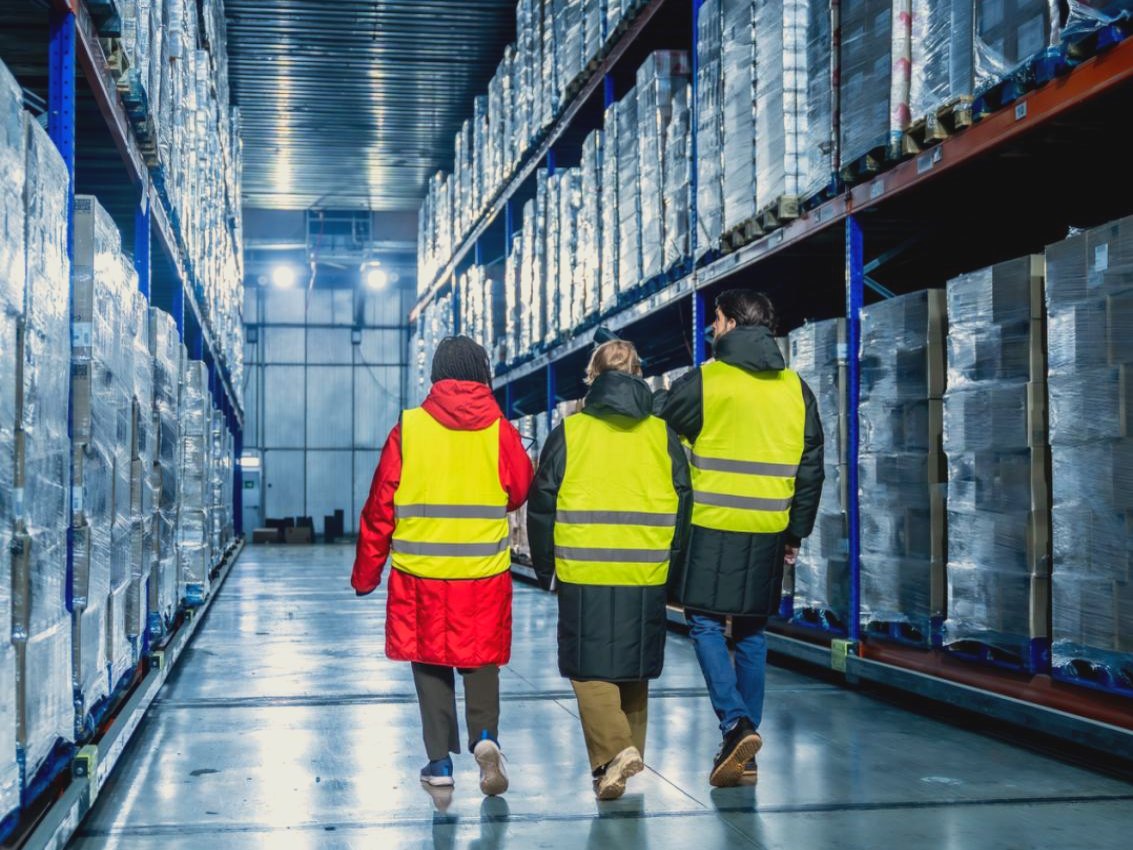
Cold Chain
Cold chain ensures quality and safety of food, pharmaceuticals and other goods. Quick cooling in food freezing minimizes ice crystal formation to preserve taste and nutrition; pharmaceutical cold chains maintain precise temperatures (2℃~8℃ or -20℃~-10℃) to retain drug efficacy; refrigerated trucks deliver steady temperature control amid ambient extremes of -30℃~40℃. Such applications impose strict standards on heat exchangers for low-temperature performance, temperature accuracy and reliability.
Read more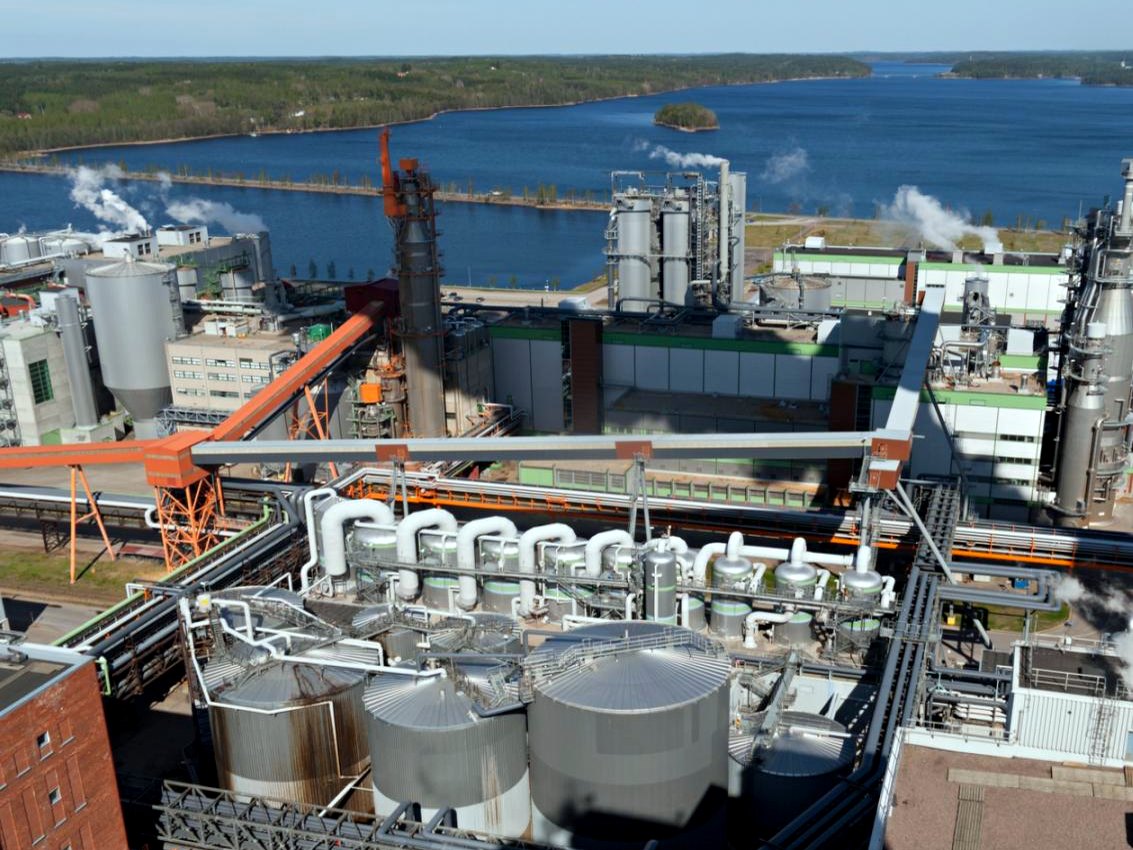
Paper
Papermaking processes such as pulp cooking, black liquor concentration and dryer steam condensation feature fibrous, high-viscosity and corrosive media with high fouling risks. Heat exchangers require high temperature resistance, corrosion resistance and anti-clogging performance to ensure stable pulping efficiency, effective black liquor recycling and overall energy & water saving.
Read more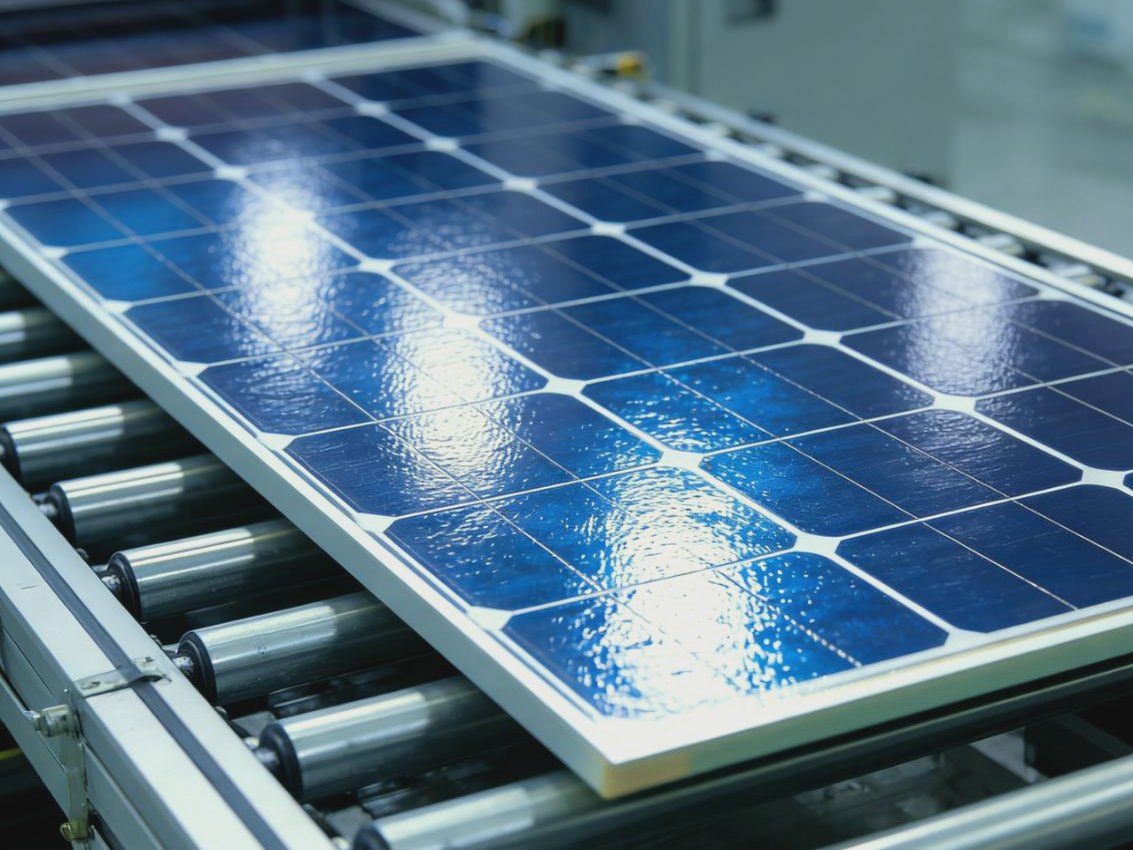
PV Panels
PV system operation includes inverter heat dissipation, energy storage cooling and PV panel temperature regulation. Equipment operates continuously outdoors under extreme temperature changes, solar radiation, wind, rain and sand erosion. High temperature causes power generation attenuation and thermal runaway risks. Heat exchangers require excellent weather resistance, compact structure and stable heat transfer performance to ensure power generation efficiency and long-term safe operation of PV
Read more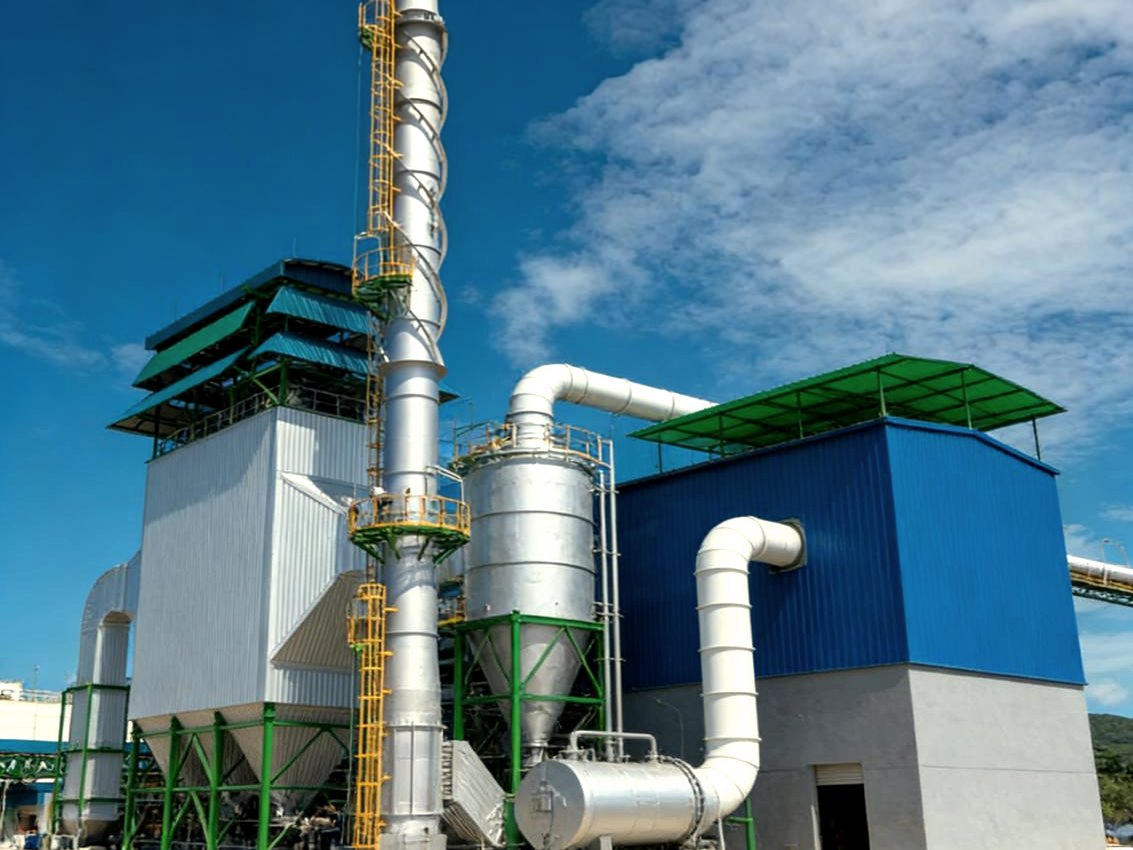
Biomass Energy
Biomass energy production includes boiler feedwater preheating, biogas purification heat exchange and biodiesel cooling. It features dust-fouled flue gas, corrosive biogas components and perishable bio-oil media. Heat exchangers require outstanding energy-saving performance, corrosion resistance and anti-clogging capability to realize waste heat recovery, stable process temperature control, emission reduction and efficient clean utilization of biomass energy.
Read more
Organic Chemicals
Organic chemical processes such as olefin synthesis, aromatic rectification and solvent recovery feature temperature-sensitive reactions, easy coking, corrosive organic media and strict sealing requirements. Heat exchangers need precise temperature control, zero-leakage performance, anti-coking and anti-corrosion capabilities to stabilize reaction conditions, ensure high product purity, improve solvent recovery rate, and realize safe, low-cost and eco-friendly production.
Read more
FLNG
As integrated facilities for offshore natural gas liquefaction, storage and transportation, FLNG (Floating Liquefied Natural Gas units) require heat exchangers to efficiently handle ultra-low temperature conditions and offshore rocking motions for gas liquefaction cooling, cold energy recovery and equipment heat dissipation.
Read more