


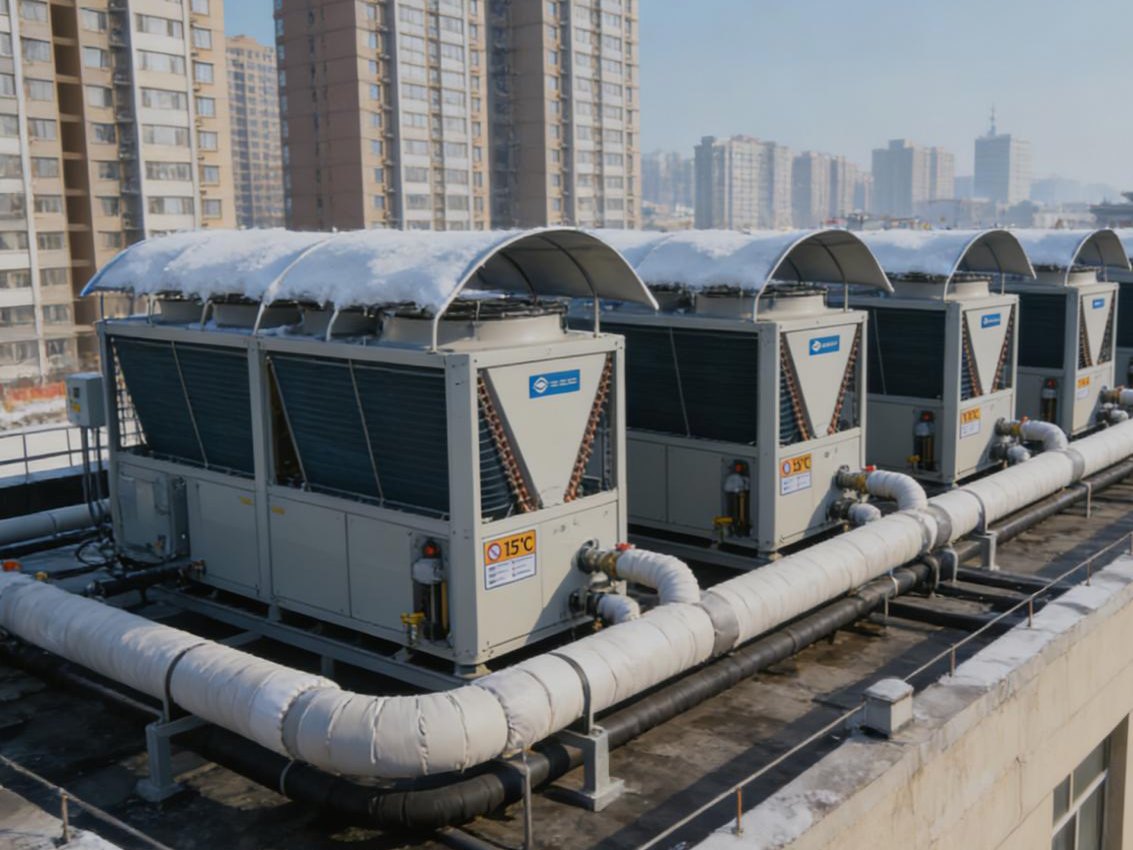
Heat Pumps & Waste Heat Recovery
Heat pump and waste heat recovery systems focus on efficient low-grade heat recovery and anti-corrosion protection for complex media in industrial waste heat utilization, building HVAC and sewage-source heat pumps. Industrial waste heat carries oil and dust; sewage contains corrosive chloride ions and organics, while building HVAC demands compact, stable-temperature equipment. All operating conditions challenge heat exchangers on thermal efficiency, corrosion resistance and easy maintenance.
Read more
Carbon Fiber
Carbon fiber production including spinning cooling, pre-oxidation furnace waste heat recovery and carbonization furnace cooling is highly temperature-sensitive, with working temperatures ranging from normal temperature up to 1500℃. Heat exchangers need ultra-precise temperature control, high temperature resistance and outstanding heat transfer efficiency to eliminate fiber defects such as uneven diameter and insufficient strength, while realizing energy saving via waste heat recovery and stable
Read more
Blockchain Technology
Blockchain data center scenarios cover mining machine heat dissipation, node device temperature control and server cooling. High-density computing generates concentrated heat with continuous 7×24 high-load operation, easily causing hash rate attenuation and equipment failure. Heat exchangers require ultra-high heat flux density, compact integration, low noise and high stability to ensure consistent computing performance, data security and long-term reliable operation.
Read more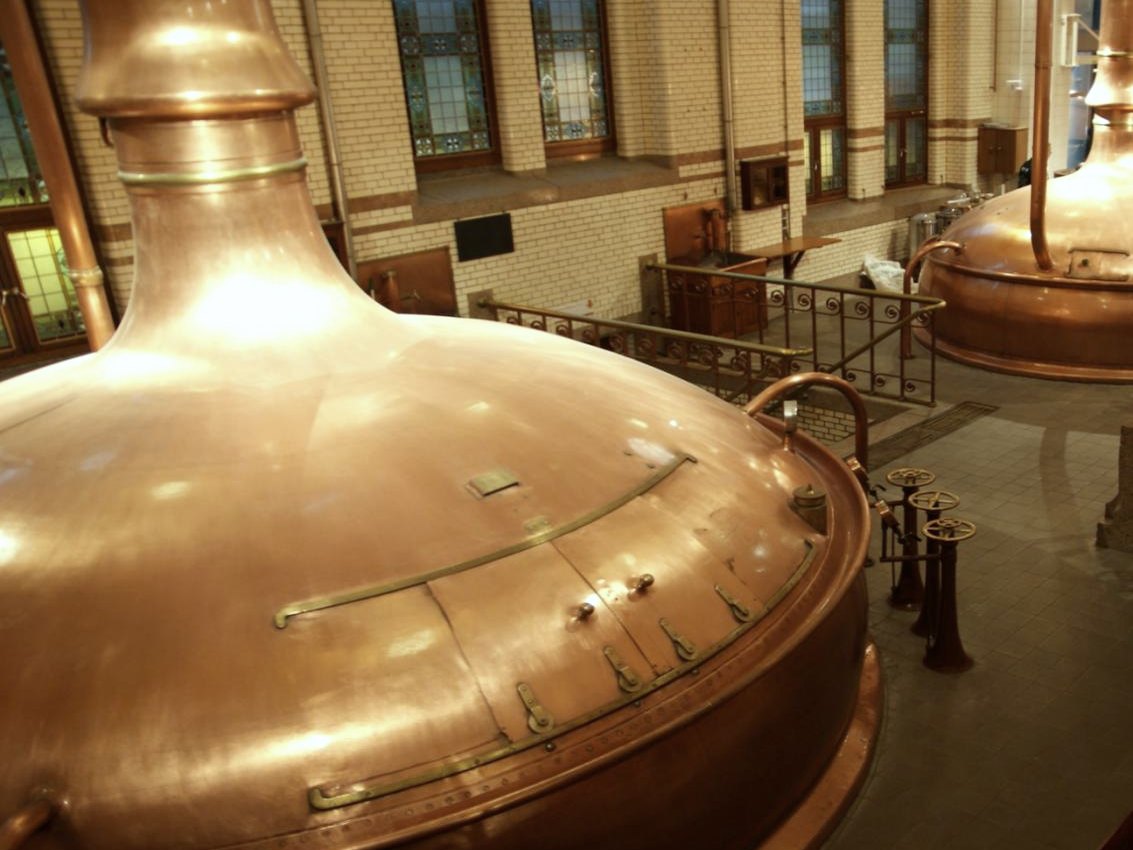
Beer & Beverages
Beer and beverage production involves wort cooling, fermentation temperature control and pasteurization heat exchange, requiring strict food-grade sanitation, precise temperature regulation and stable heat transfer. Production processes must avoid contamination, yeast deactivation, bacterial growth and thermal flavor loss. Heat exchangers need hygienic materials, sterilizable structure and high-precision thermal control to ensure pure taste, consistent quality and safe mass production.
Read more
Fine Chemicals
Fine chemical processes including pharmaceutical intermediate synthesis, dye purification and spice extraction require low-flow and high-precision heat exchange. The industry demands strict equipment cleanliness, zero cross-contamination and excellent corrosion resistance against acid-base and organic solvents. Heat exchangers must support multi-variety and small-batch production to ensure high product purity, stable quality and compliant clean production.
Read more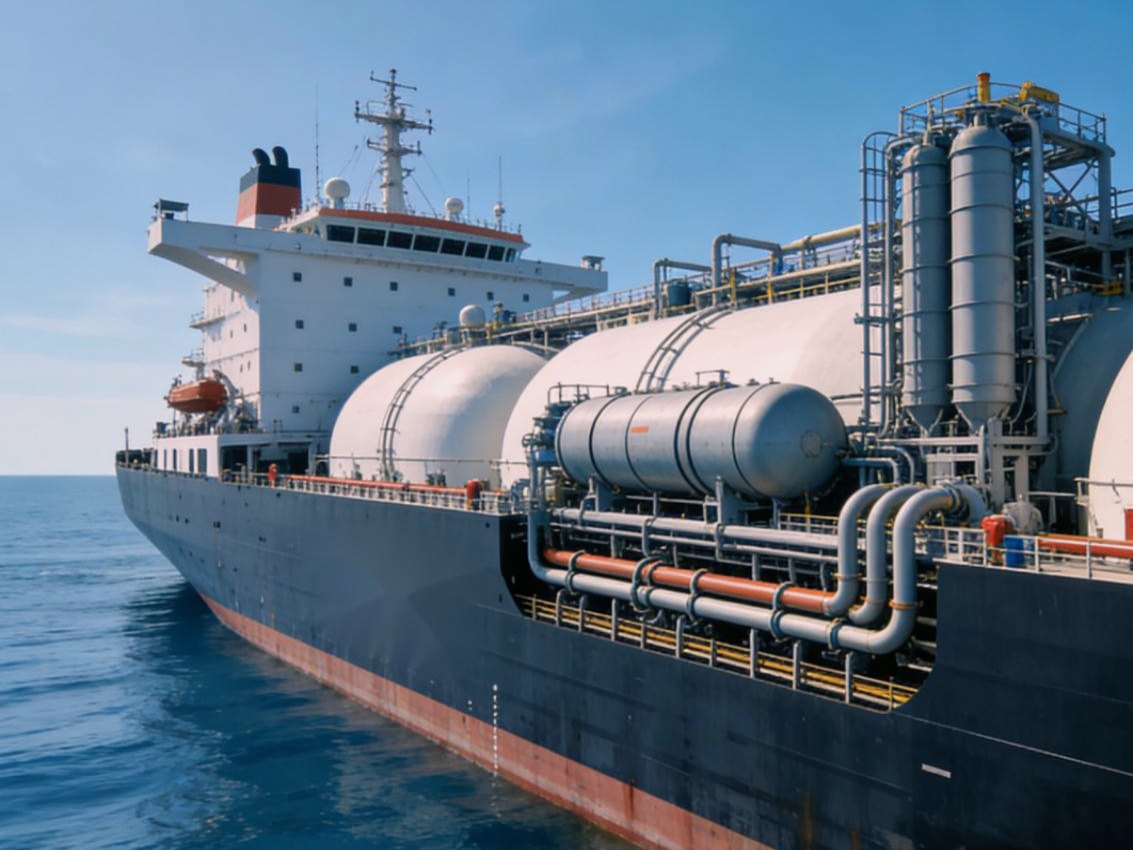
FGSS
As the core of marine clean energy power, FGSS (Fuel Gas Supply System) involves LNG vaporization, gas preheating and system cooling. With LNG stored at -162℃, the system demands extreme low-temperature resistance and zero-leakage performance. Marine operating conditions feature high salt fog, continuous vibration and extreme temperature fluctuations. Heat exchangers must deliver reliable low-temperature adaptability, anti-corrosion capability, vibration resistance and ultra-safe sealing to ensu
Read more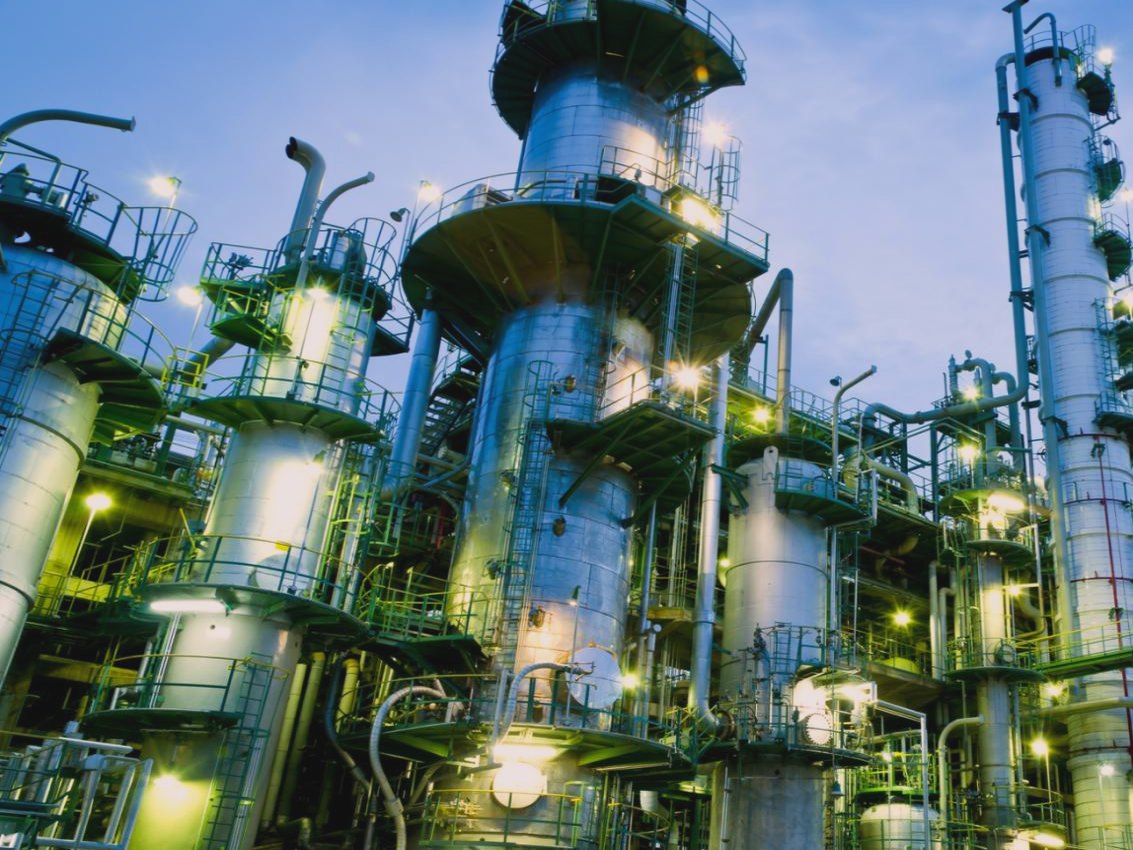
Oil Refining & Petrochemicals · Other
Beyond the dedicated pages: spent caustic treatment, flare gas recovery heat exchange and heat exchange in chemical additive production. Though the processes differ, they share highly corrosive media, wide temperature swings and strict environmental requirements, calling for corrosion-resistant, duty-compatible and compliant heat exchangers.
Read more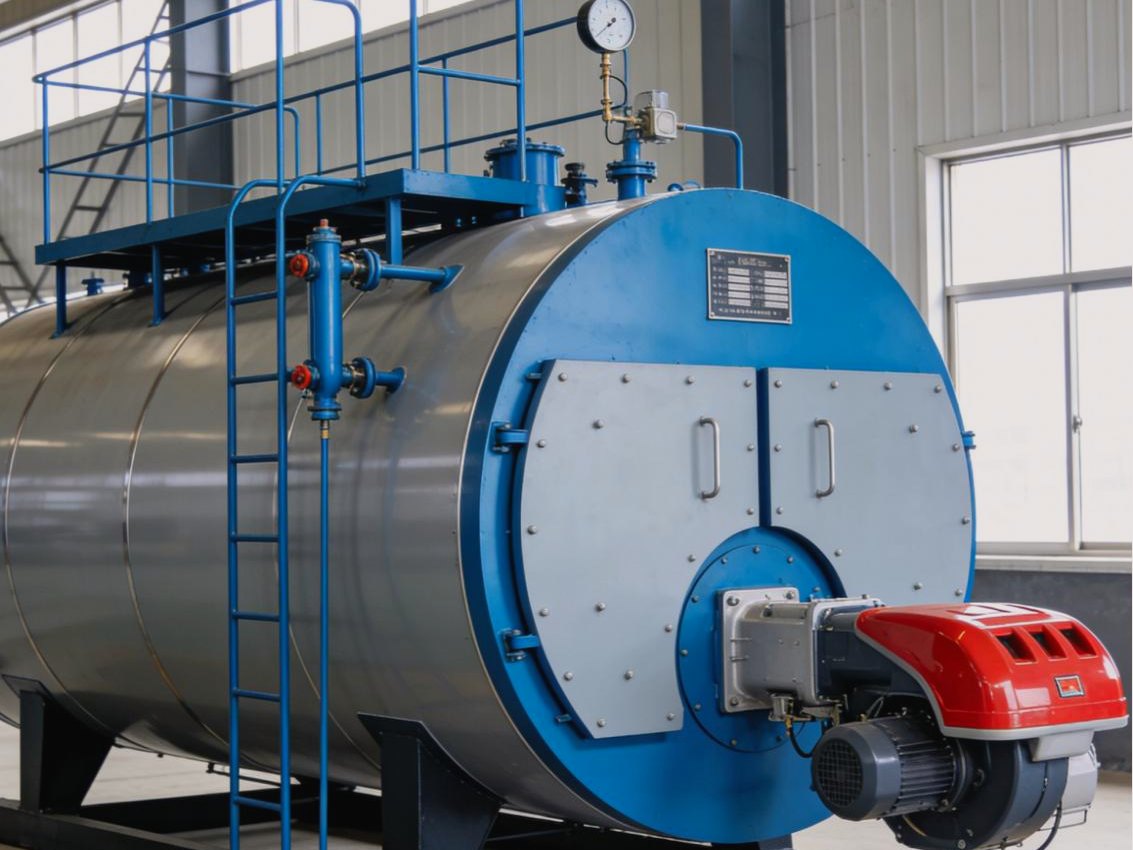
Boiler Systems
Boiler feedwater preheating, steam condensate recovery and flue gas waste heat recovery place clear and demanding requirements on high-temperature and high-pressure performance.
Read more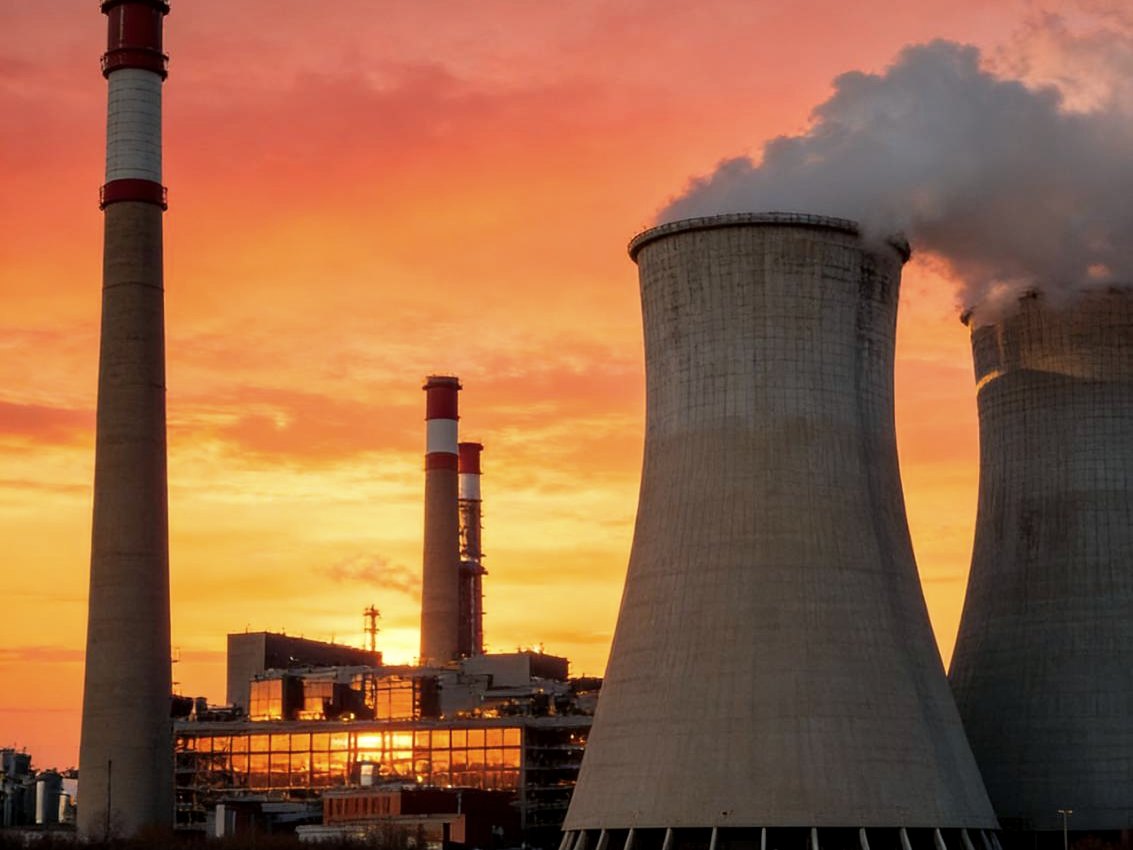
Thermal Power
Thermal power scenarios include turbine condensing cooling, boiler feed water preheating and desulfurization slurry heat exchange, featuring large-flow scouring, high temperature & pressure, strong corrosion and easy fouling. Heat exchangers require excellent flow adaptability, anti-corrosion, anti-fouling performance and structural stability to improve power generation efficiency, reduce coal consumption and lower pollutant emissions for efficient and eco-friendly thermal power operation.
Read more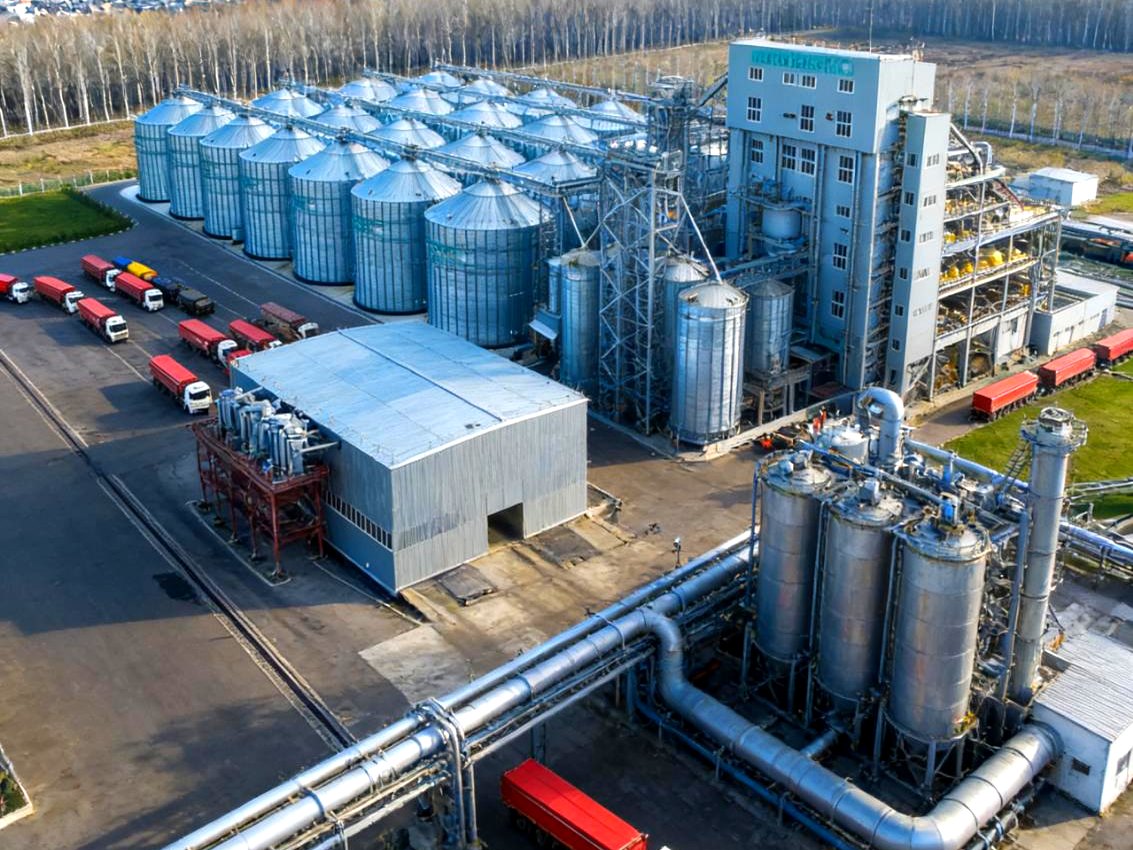
Oil Processing
Oil and fat processing covers crude oil pretreatment heating, refined oil cooling and by-product waste heat recovery, requiring food-grade sanitation, oil corrosion resistance and energy conservation. Constant-temperature pretreatment improves oil yield, rapid low-temperature cooling restrains oil oxidation and deterioration, and waste heat recycling reduces production energy consumption. Heat exchangers need sanitary compliant, oil-resistant, anti-fouling and precisely temperature-controlled pe
Read more
Marine & Offshore · Other
Beyond the dedicated pages: offshore wind platform cooling, underwater equipment temperature control and auxiliary heat exchange duties such as platform fire main temperature control and ballast water heat exchange. They share severe marine corrosion, restricted installation space and high reliability requirements, calling for custom-adapted, corrosion-resistant and space-compatible heat exchangers.
Read more
Hydropower
Hydropower stations operate long-term in humid and vapor-rich environments, requiring heat dissipation for generators, precise temperature regulation for transformer oil and waste heat recovery for plant heating. Heat exchangers must feature moisture-proof, anti-corrosion, low-noise and high-efficiency performance to ensure uninterrupted unit operation, stable temperature control and energy-saving operation of hydropower equipment.
Read more